
QR Code
Products
Contact Us


E-mail

Address
No. 237 Kangting Street, Huangdao District, Qingdao City, Shandong Province, China
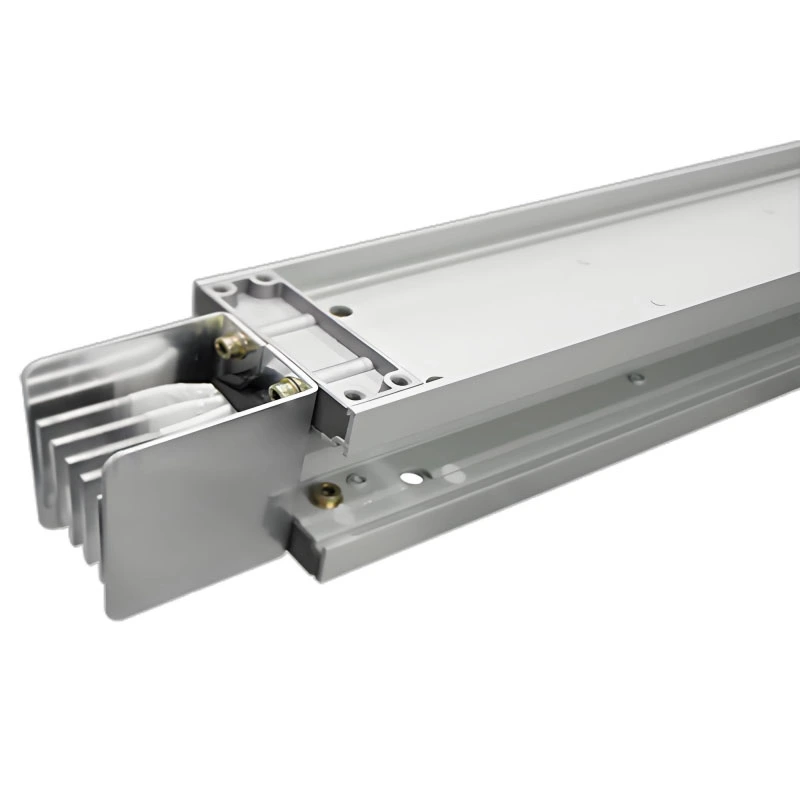
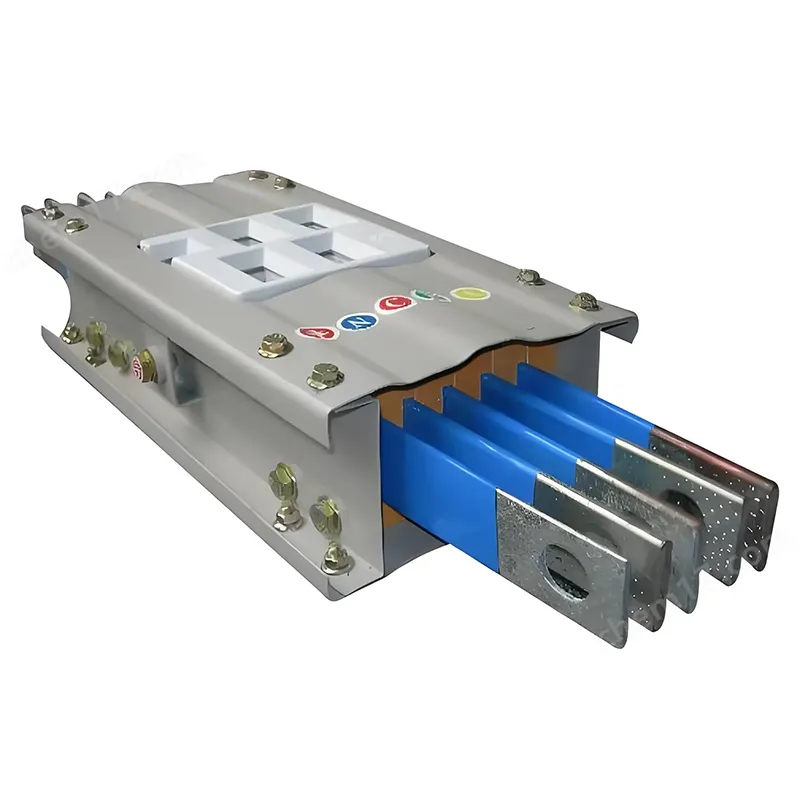
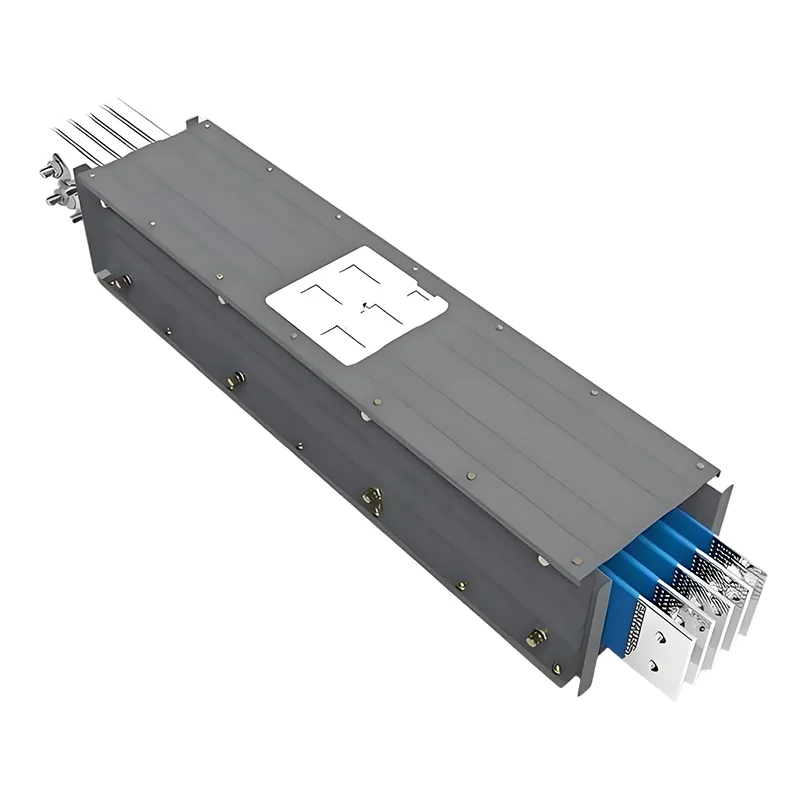
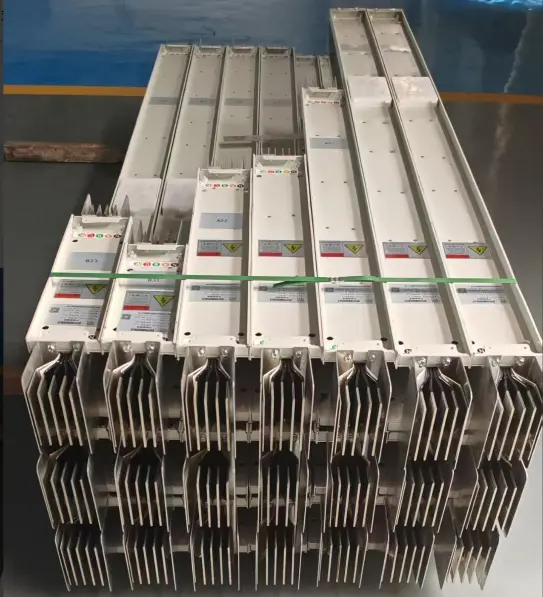
Compact busbar trunking is a core component in low-voltage power distribution systems used for transmitting high currents. Its defining characteristics include a compact structure, efficient heat dissipation, a high degree of protection, and high current-carrying capacity. It is widely deployed in scenarios where space is limited, high currents are involved, and high levels of protection are required—distinguishing it significantly from air-insulated busbar trunking systems. The following is a detailed breakdown of its features, categorized into core advantages, key characteristics, applicable scenarios, and limitations:
Core Structure and Performance Characteristics
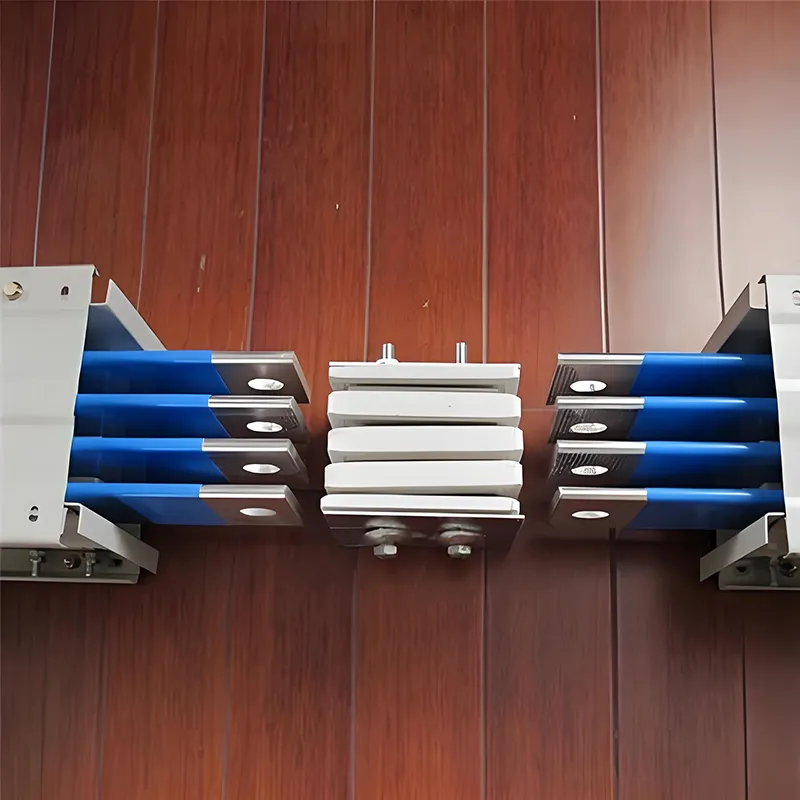
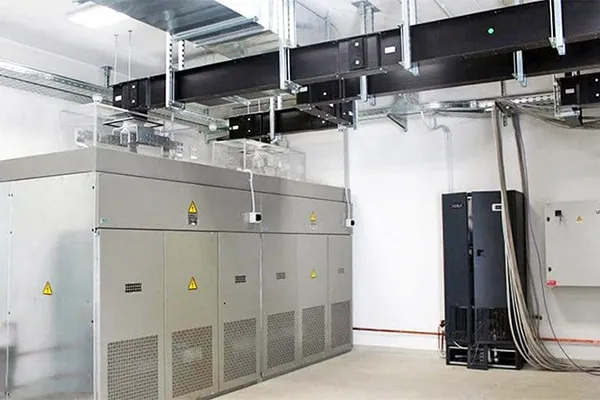
Compact Design for Space Saving: The conductors and insulation layers fit tightly together with no superfluous air gaps; consequently, the overall volume and weight are significantly lower than those of air-insulated busbar trunking. In space-constrained environments—such as high-rise buildings, data centers, and workshops densely packed with equipment—this design drastically reduces the spatial footprint required for installation, representing one of the most prominent advantages of compact busbar trunking.
High Current-Carrying Capacity and Low Loss: The conductors are arranged in close proximity, resulting in short heat dissipation paths. Combined with the thermal conductivity and heat-dissipating properties of the metal casing, the system exhibits lower temperature rise. This allows it to carry higher rated currents within the same physical volume (reaching up to 6300A and beyond). Furthermore, voltage drop is minimal, and electrical energy transmission losses are lower than those of traditional cables and air-insulated busbar trunking, resulting in higher power distribution efficiency.
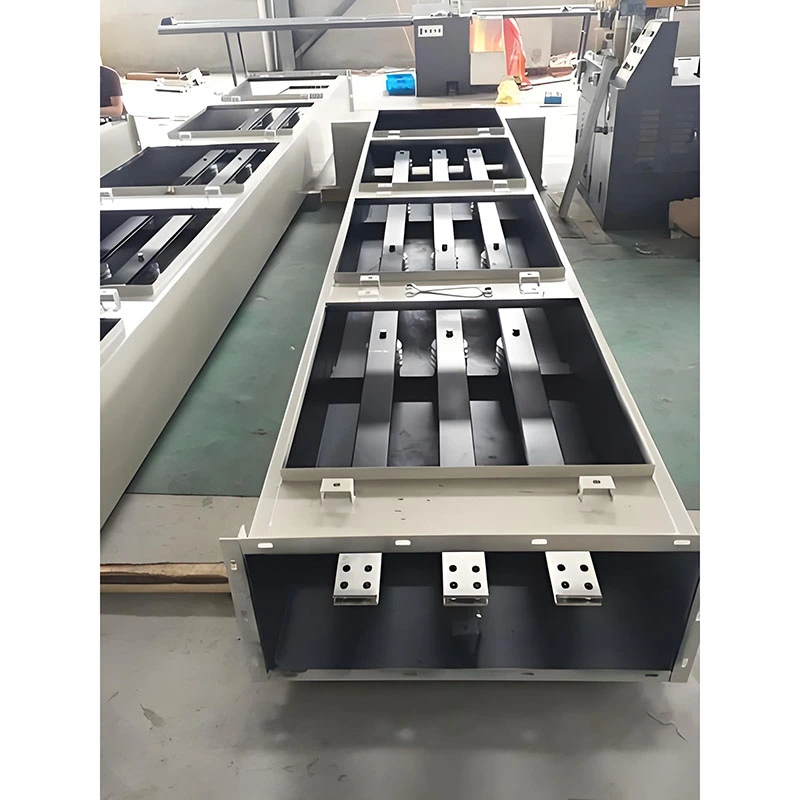
High Degree of Protection for Complex Environments: Employing a fully enclosed structure with an integrated design for the insulation and casing, the system typically achieves an Ingress Protection (IP) rating of IP54 or IP66, with certain models reaching IP68. It is capable of withstanding industrial environments characterized by humidity, dust, and mild corrosive gases; it can also be utilized in outdoor settings (requiring specific protective measures), offering a scope of application far broader than that of air-insulated busbar trunking.
Superior Electrical and Mechanical Performance:
Electrical Stability: The conductors are securely anchored, demonstrating strong short-circuit withstand capability as well as excellent dynamic and thermal stability, enabling the system to endure the shock of high-current short-circuit faults.
Mechanical Strength: The metal casing features an integrated, one-piece molded design that offers high resistance to impact and vibration, making it suitable for installation in vibration-prone environments such as industrial plants and large-scale equipment rooms.
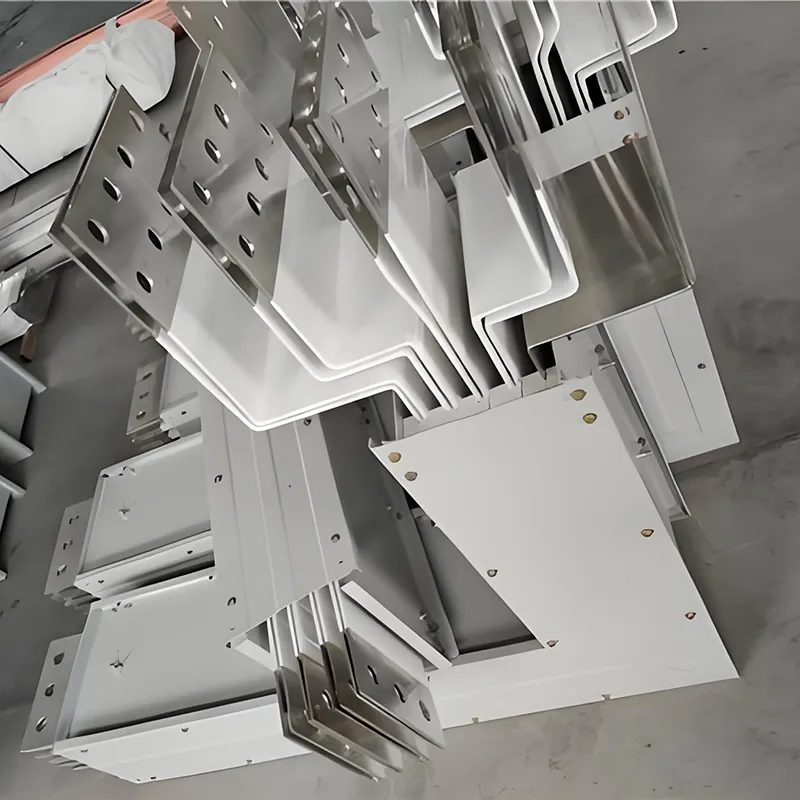
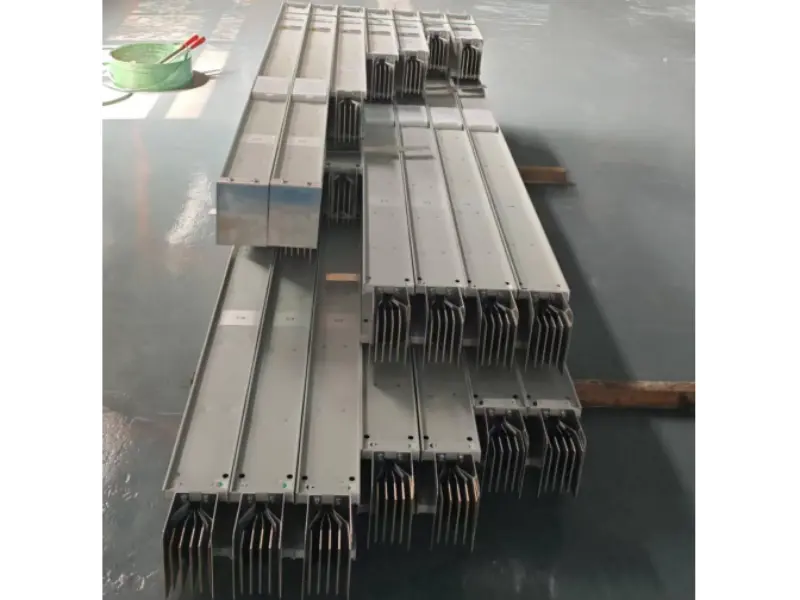
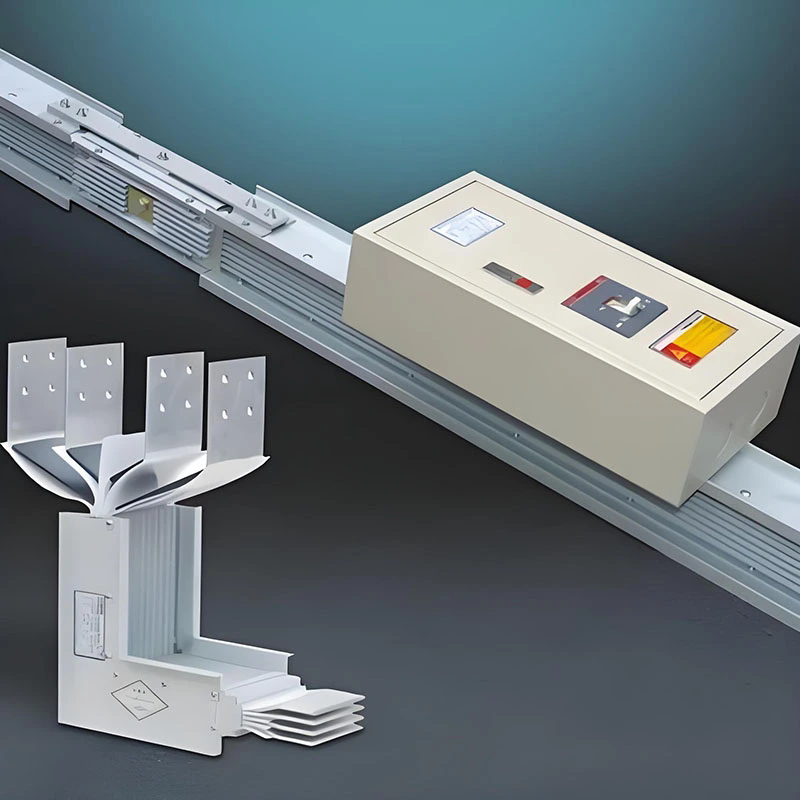
Flexible Tapping and Convenient Installation: The system supports the placement of tap-off points at any desired location along the busbar, allowing for the rapid supply of power to loads via plug-in tap-off units. This adaptability meets the requirements for load adjustments and capacity expansion projects. Furthermore, the modular approach to manufacturing and installation facilitates rapid construction, while subsequent maintenance and component replacement remain relatively convenient. II. Material and Process Characteristics
Specialized Insulation Materials
The core insulation layer typically utilizes high-temperature-resistant, flame-retardant insulating films or powder-coating materials. These materials offer stable insulation performance as well as excellent flame-retardant and anti-aging properties, fully complying with the safety standards for low-voltage power distribution systems.
High-Quality Conductor Selection
Copper or aluminum busbars are typically employed as the primary conductive elements. Their surfaces undergo anti-corrosion treatments—such as tin plating—to minimize contact resistance and enhance both conductive efficiency and service life.
Applicable Scenarios and Limitations
Applicable Scenarios
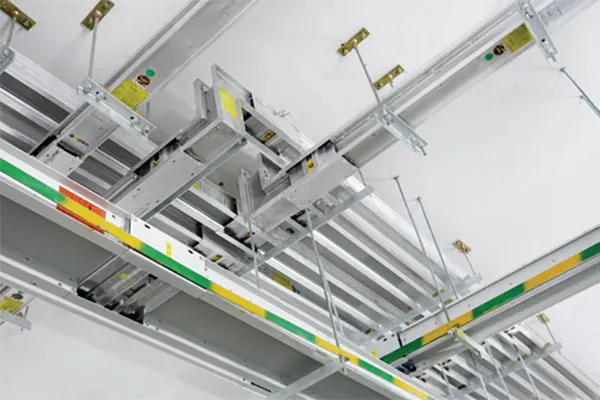
Main distribution trunks and floor-level power supply systems in high-rise buildings;
Locations with limited space and stringent requirements for protection ratings, such as data centers, equipment rooms, large shopping malls, and hospitals;
Power supply systems for equipment operating under high-current loads or in complex environments, such as industrial plants, metallurgical facilities, and chemical plants;
Power distribution systems subject to strict installation space constraints, or those requiring frequent capacity expansion and modification.


No. 237 Kangting Street, Huangdao District, Qingdao City, Shandong Province, China
Copyright © 2026 Qingdao Fenghua Electric Appliance Manufacturing Co., Ltd. All Rights Reserved.
Links | Sitemap | RSS | XML | Privacy Policy |