We are glad to share with you about the results of our work, company news, and give you timely developments and personnel appointment and removal conditions.
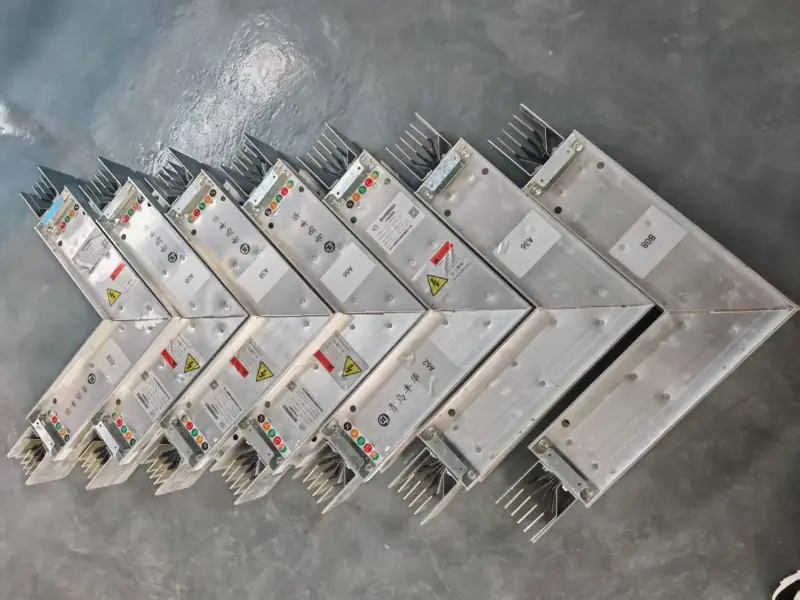
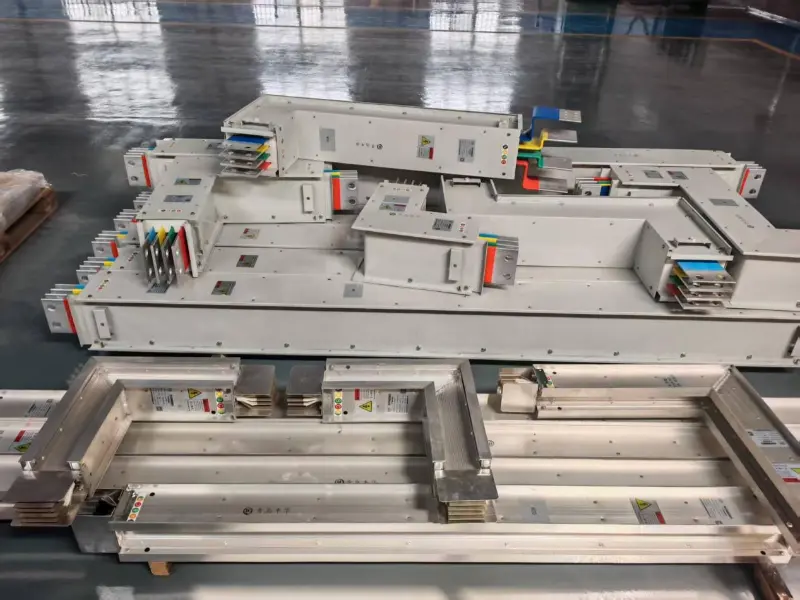
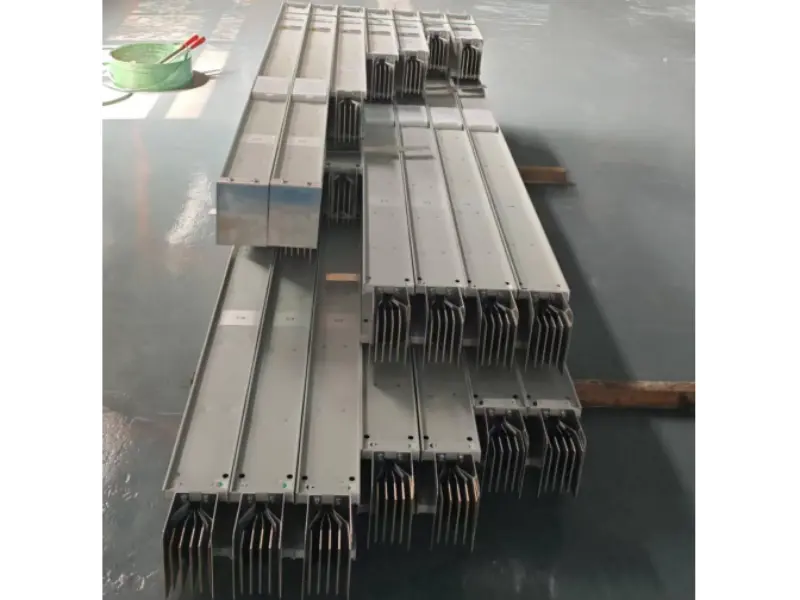
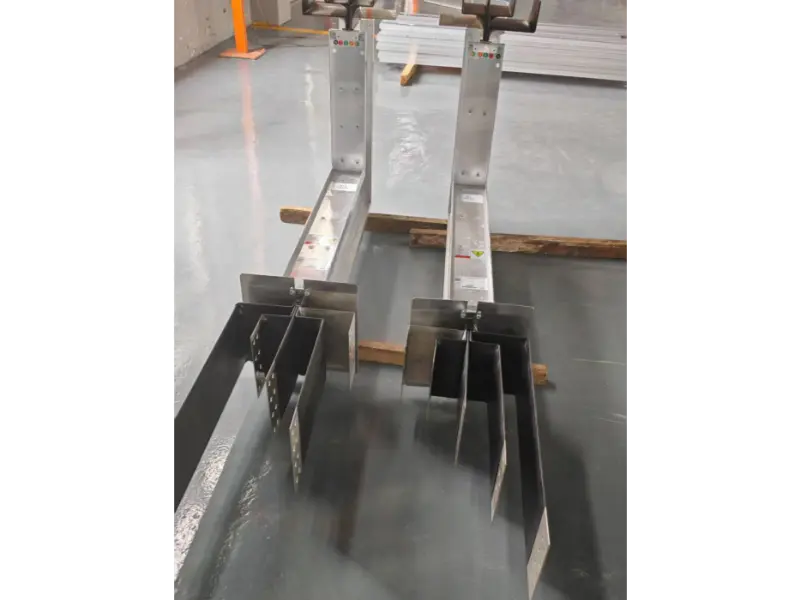
The air insulated busway is a crucial component in modern electrical distribution systems, providing a reliable, flexible, and cost-effective solution for power transmission in industrial and commercial facilities. This article explores its working principles, advantages, installation considerations, and maintenance practices to help facility managers, engineers, and electricians make informed decisions when implementing air insulated busway systems.
Fireproof busways are critical components in modern electrical systems, providing reliable power distribution while ensuring safety in industrial and commercial settings. This article explores the advantages, design principles, installation considerations, and maintenance strategies for fireproof busways, helping facility managers and electrical engineers make informed decisions. Fenghua Electric’s innovative fireproof busway solutions offer durability, efficiency, and compliance with stringent fire safety standards.
The selection of materials for waterproof busbar trunking systems centers primarily on protective performance, electrical properties, mechanical strength, and environmental resistance (specifically waterproofing, corrosion resistance, and aging resistance).
Enclosed busbar trunking systems serve as core equipment within low-voltage power distribution networks, facilitating high-current, long-distance, and highly reliable power supply. Their primary application scenarios revolve around four core requirements: limited space, high-current transmission, stringent protection needs, and the need for frequent capacity expansion.
Compact busbar trunking is a core component in low-voltage power distribution systems used for transmitting high currents. Its defining characteristics include a compact structure, efficient heat dissipation, a high degree of protection, and high current-carrying capacity. It is widely deployed in scenarios where space is limited, high currents are involved, and high levels of protection are required—distinguishing it significantly from air-insulated busbar trunking systems.
The primary function of air-insulated busduct systems is to safely, efficiently, and flexibly facilitate the centralized transmission of high currents. They serve as the backbone for low-voltage power distribution—handling both main feeder lines and branch tap-offs—while simultaneously offering advantages in heat dissipation, installation, and maintenance. These systems are ideally suited for dry, clean indoor environments within industrial facilities and commercial buildings.
We use cookies to offer you a better browsing experience, analyze site traffic and personalize content. By using this site, you agree to our use of cookies.
Privacy Policy