
QR Code

Products
Contact Us


Address
No. 237 Kangting Street, Huangdao District, Qingdao City, Shandong Province, China


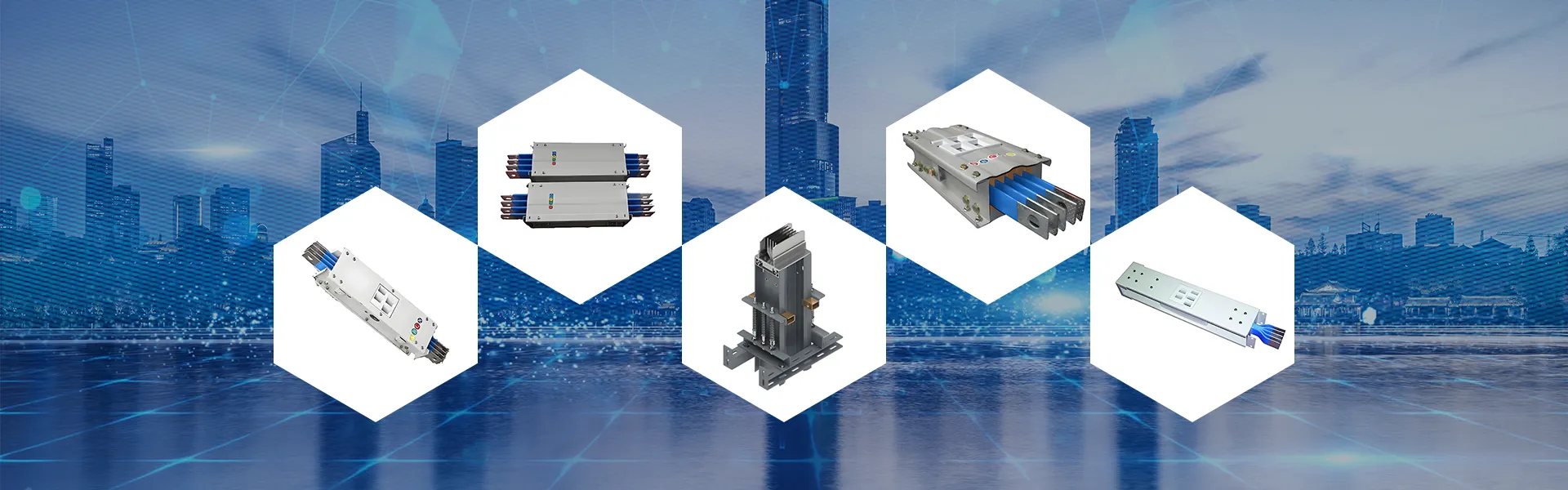
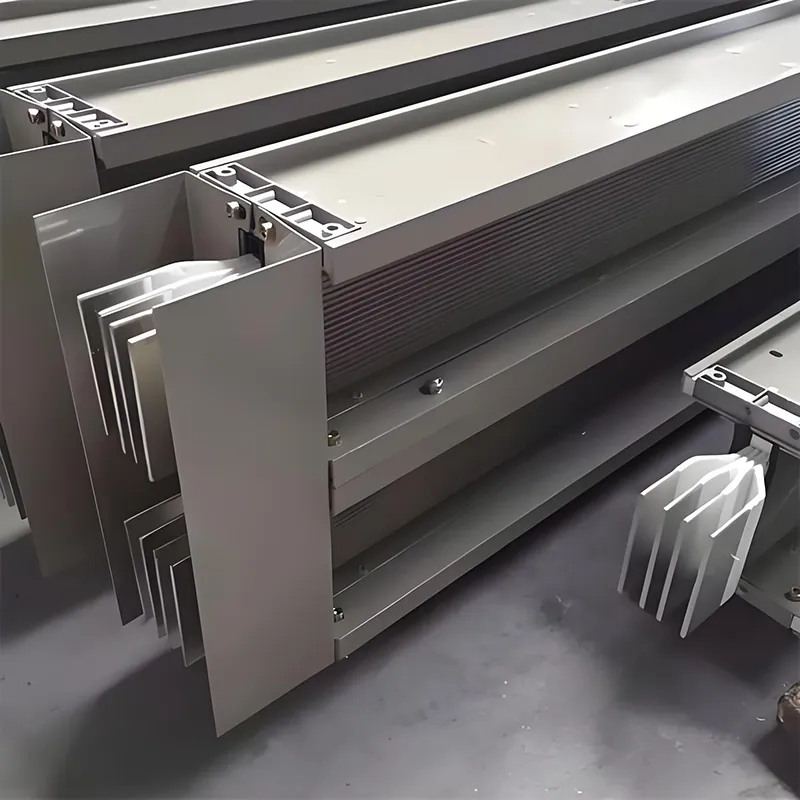
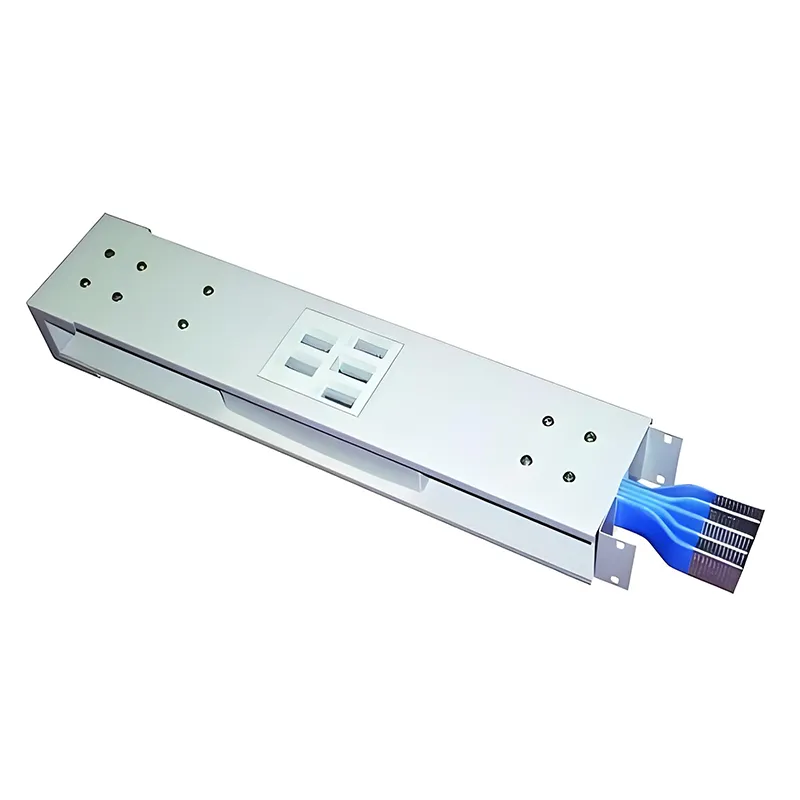
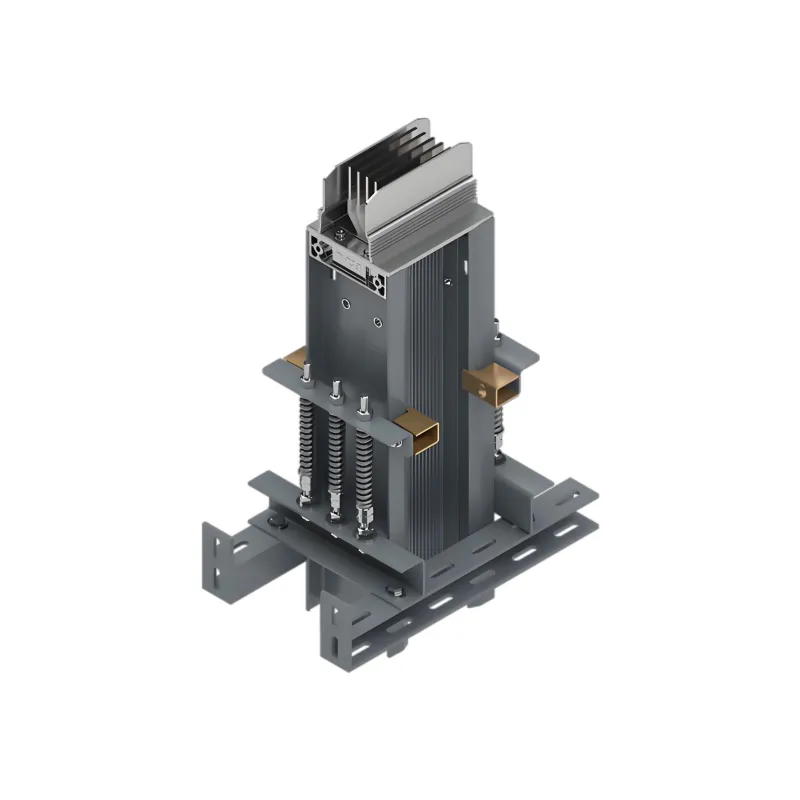
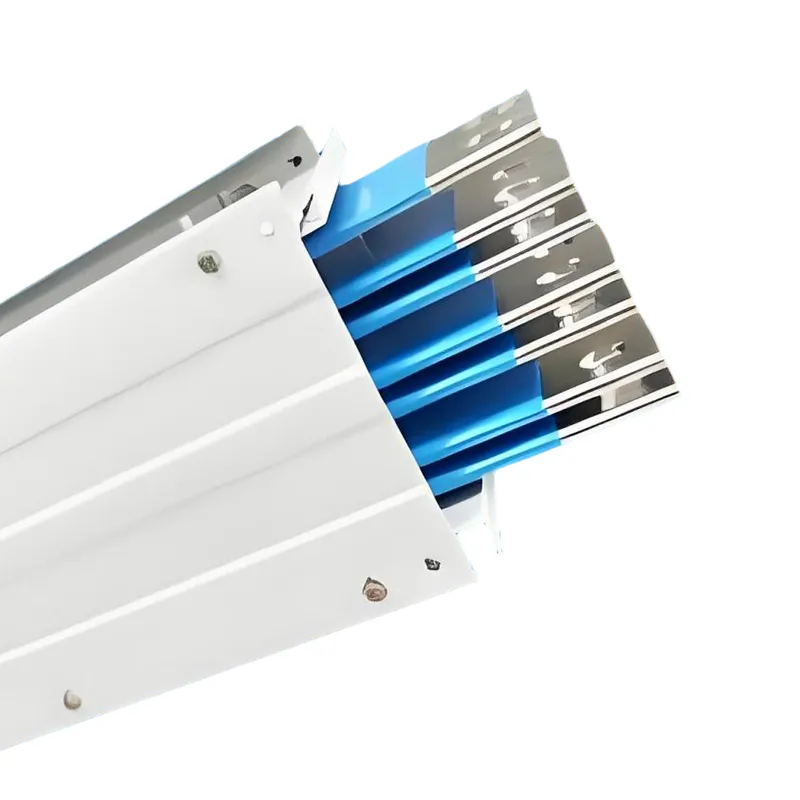
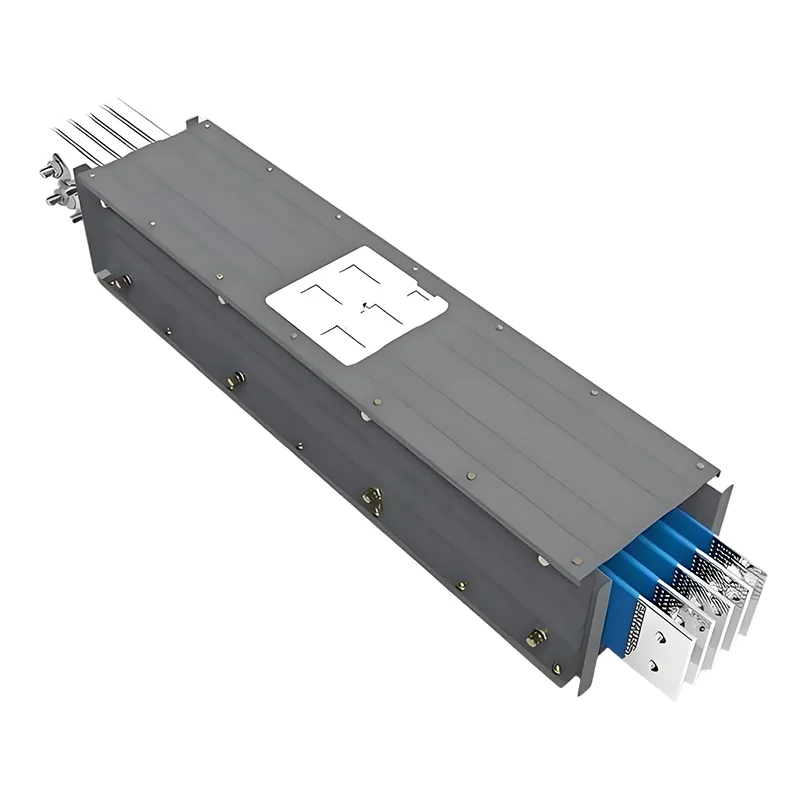
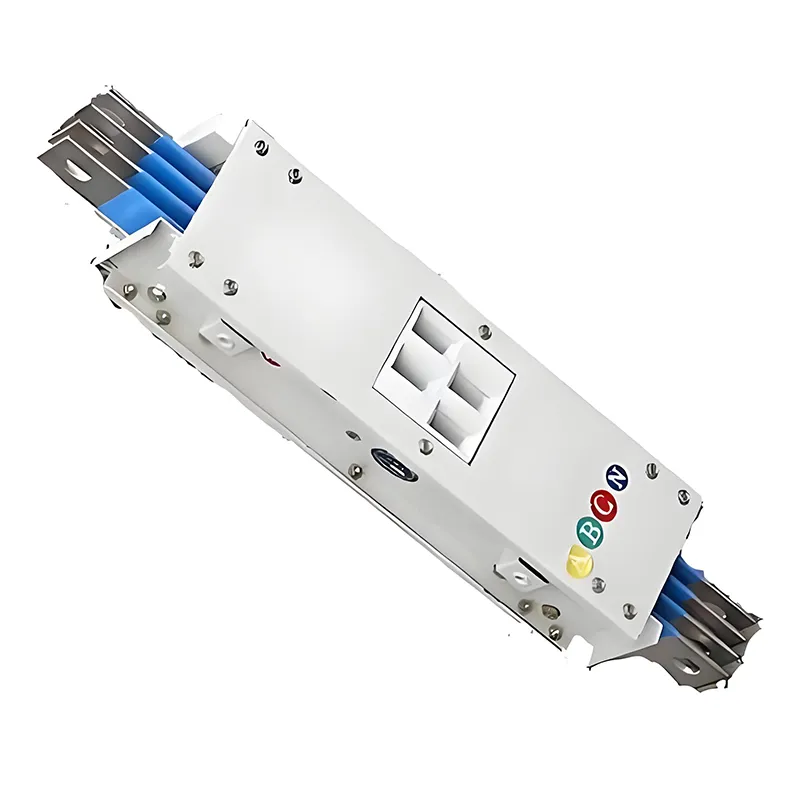
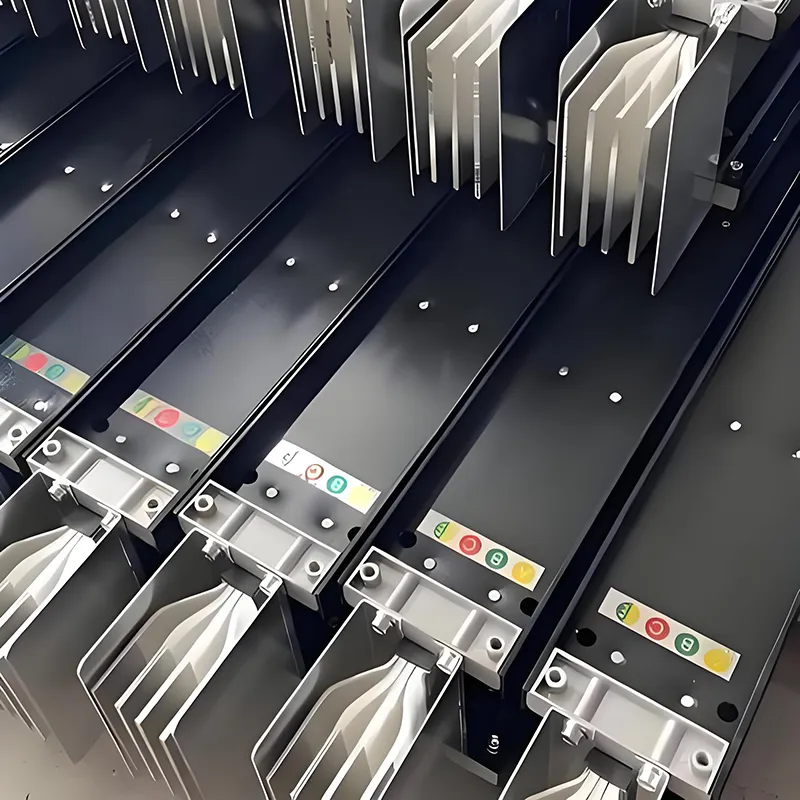
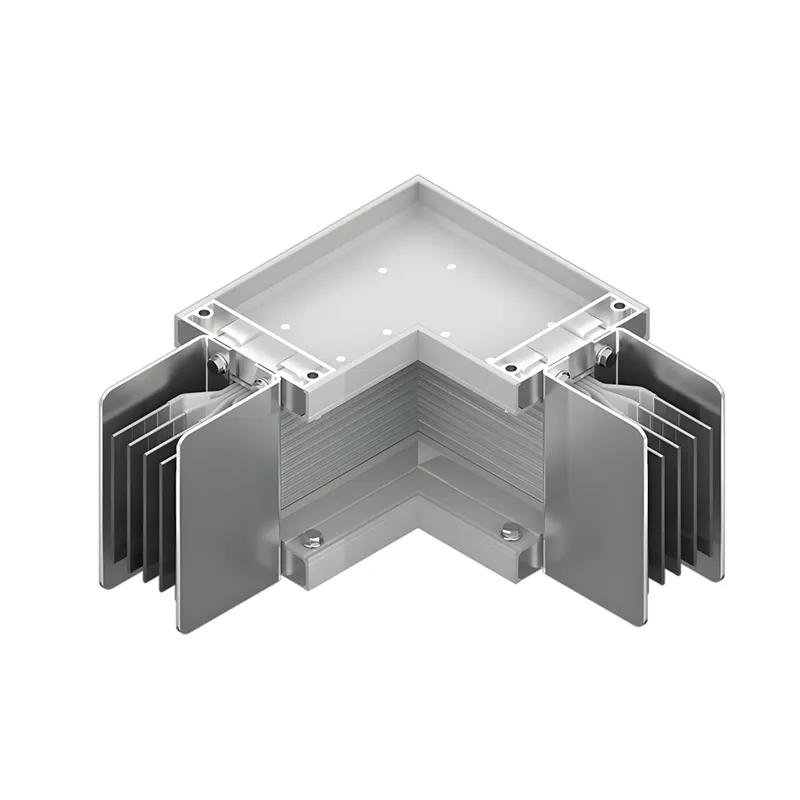
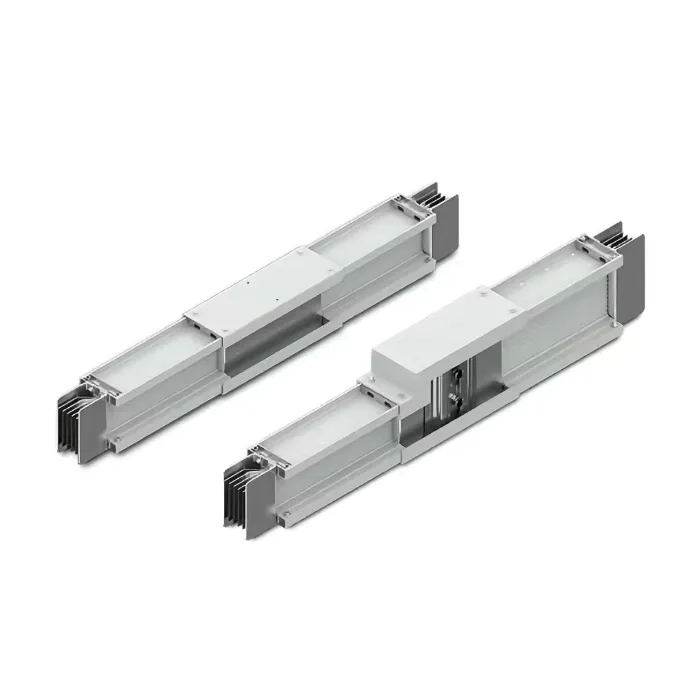
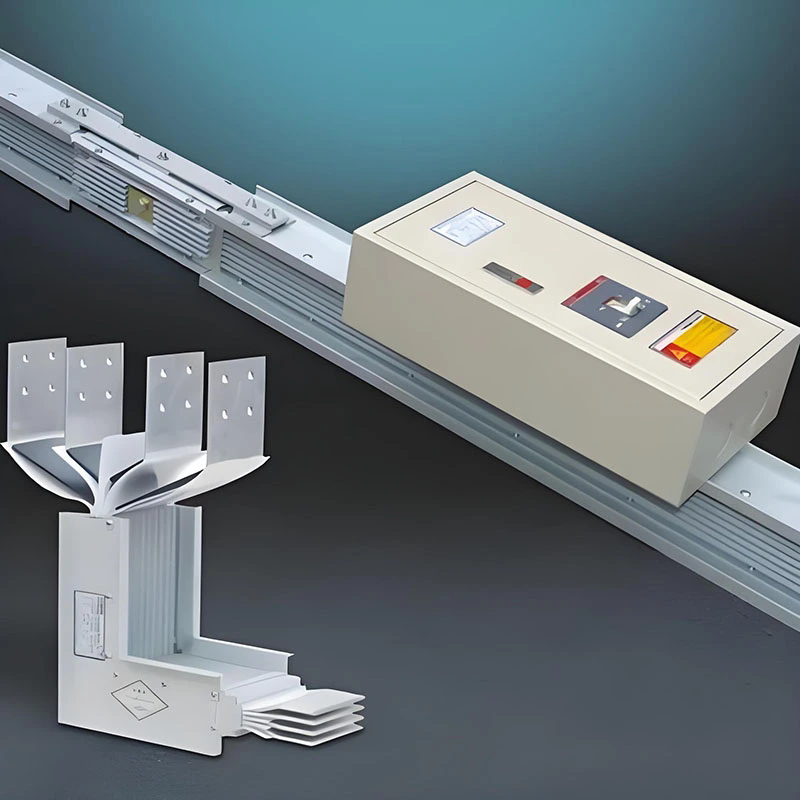
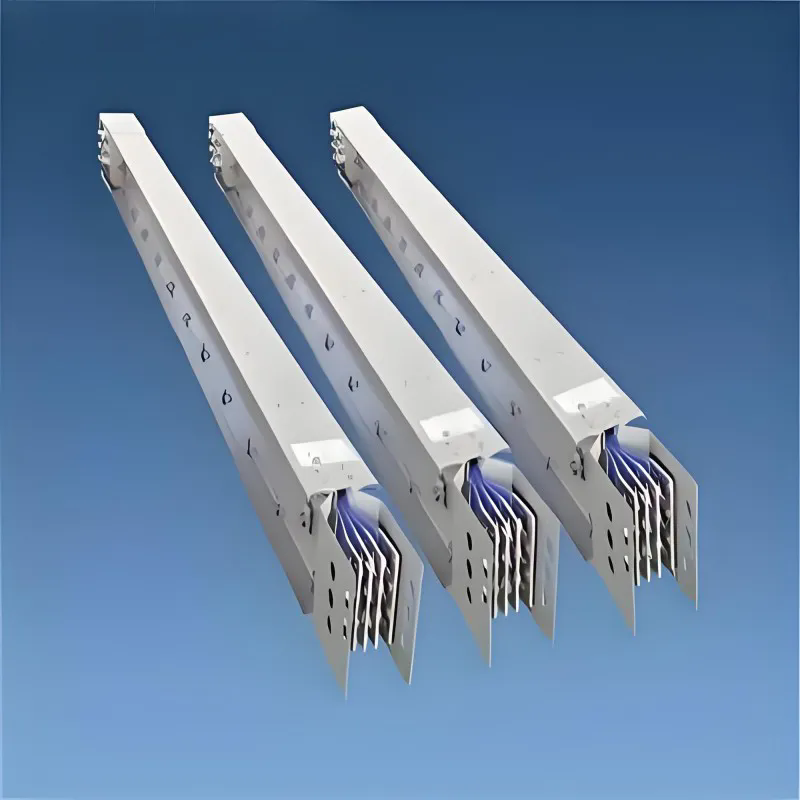
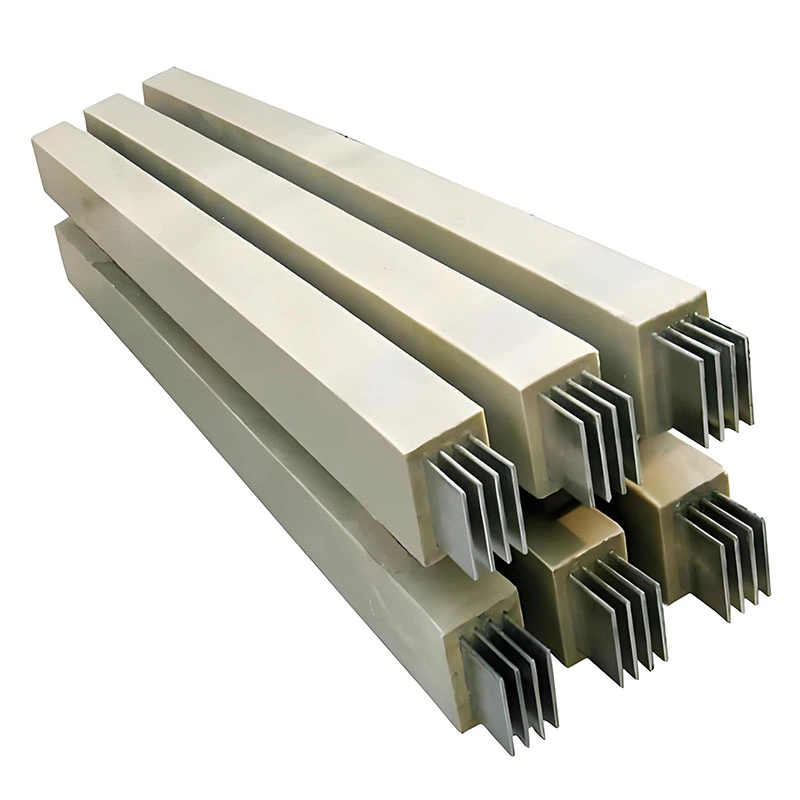
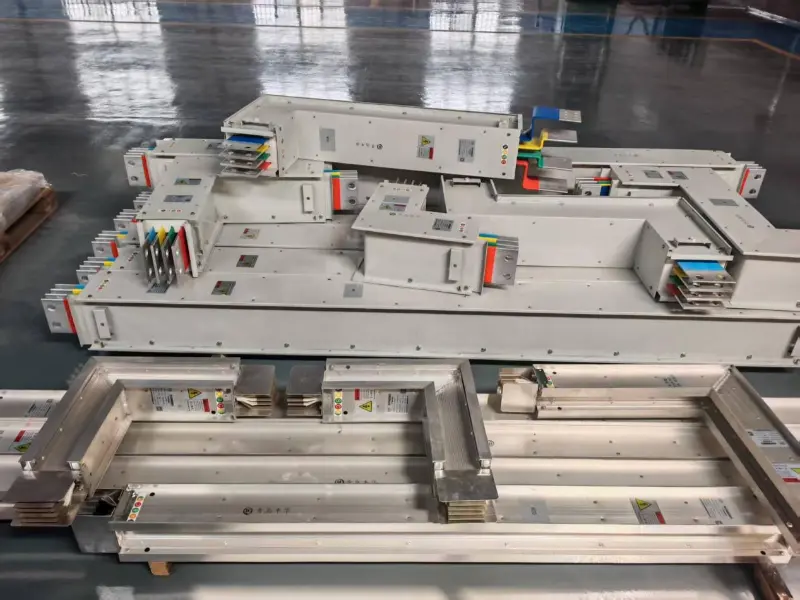
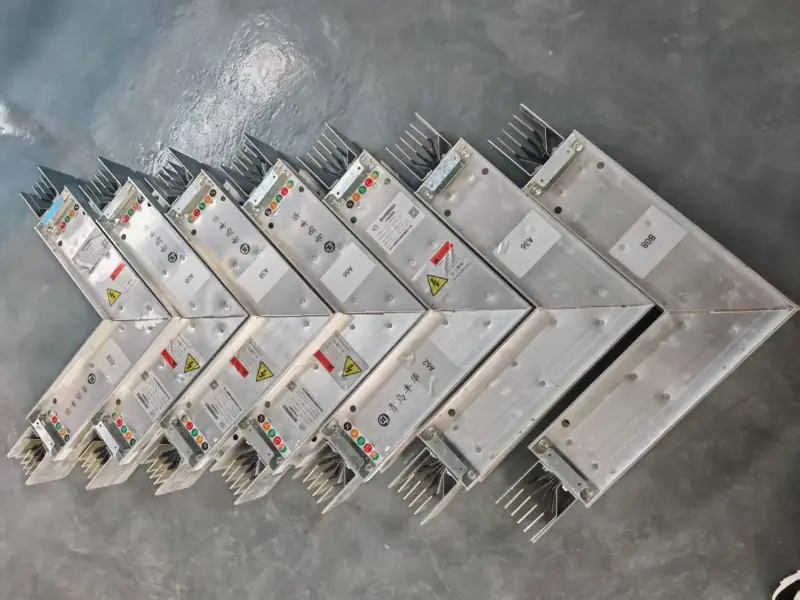
Due to its compact structure, excellent heat dissipation, and robust current-carrying capacity, Low Voltage Sandwich Busway has emerged as the mainstream choice in modern power distribution systems.
•Conductor Material: High-purity electrolytic copper (purity ≥ 99.9%); the surface can be optionally silver-plated or tin-plated to enhance conductivity and oxidation resistance.
Insulation Materials:
•Standard Type: Utilizes Class B insulation materials or higher (temperature resistance: 130°C)—such as polyester film, mica tape, etc.—to ensure long-term operational reliability.
•Fire-Resistant Type: Employs a composite layer of mica tape and ceramifying silicone rubber, capable of maintaining insulation performance even under high temperatures ranging from 600°C to 1000°C.
•Waterproof/Corrosion-Resistant Type: Features encapsulation via Class H polyester-imide or epoxy resin casting; the insulation class reaches Class H (180°C), offering a service life exceeding 50 years.
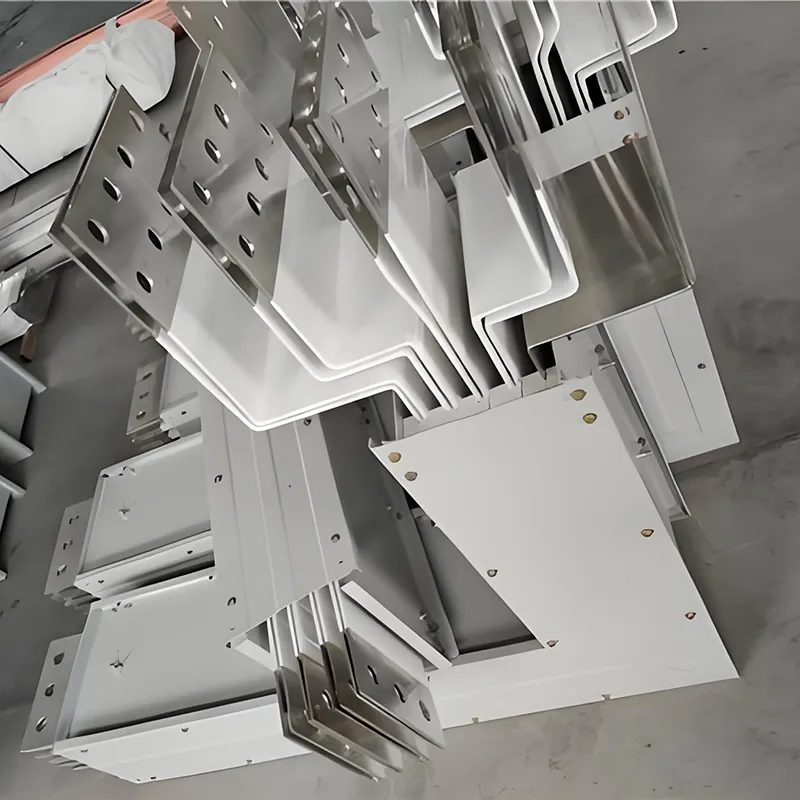
•"Sandwich" Structure Characteristics: Phase conductors are tightly stacked and compressed without any air gaps; the assembly is fully encapsulated and molded under pressure, significantly reducing reactance and voltage drop.
|
Parameters |
Technical Specifications |
Applicable Standards |
|
Rated Voltage |
≤600V AC (typically 380V/400V) |
GB 7251.2-2006 |
|
Rated Current Range |
100A ~ 6300A |
Product Lines from Manufacturers such as Huapeng and Sigses |
|
Power-Frequency Withstand Voltage |
3500V ~ 3750V / 1 min (without breakdown or flashover) |
100% Factory Tested |
|
Short-Time Withstand Current |
15kA ~ 75kA / 1 sec (select models capable of reaching 120kA) |
GB 7251.2, IEC 61439-2 |
|
Peak Withstand Current |
Typically approximately 2.5 times the short-time withstand current rating |
Dynamic and Thermal Stability Requirements |
|
Grounding System |
TN-S System; PE busbar cross-sectional area ≥ 50% of the phase conductor area; continuous and reliable connection throughout the entire length |
|
|
Electromagnetic Compatibility |
Compliant with EN50081 requirements; minimizes external electromagnetic interference |
|
Temperature Rise Limits (at an ambient temperature of 40°C):
Connection Terminals: ≤ 60 K (i.e., a maximum of 100°C)
Metal Enclosure: ≤ 30 K (i.e., a maximum of 70°C)
Insulation Surface: ≤ 40 K (i.e., a maximum of 80°C)
Heat Dissipation Mechanism:
Heat generated by the conductors is conducted through the insulation layer to the metal enclosure, where it is subsequently dissipated via convection and radiation.
The aluminum alloy enclosure features an integrated heat sink fin design, which enhances heat dissipation efficiency by over 30%.
Thermal Endurance Limits:
Standard Type: Long-term operating temperature ≤ 130°C
Fire-Resistant Type: Capable of maintaining continuous power supply for over 90 minutes at 960°C
Cast-Resin Type: Capable of stable operation within an environmental temperature range of -40°C to 130°C
|
IP Rating |
Protection Capabilities |
Typical Application Scenarios |
|
IP54 |
Dust-proof, Splash-proof |
General Industrial Plants, Power Distribution Rooms |
|
IP65 |
Jet-proof, Fully Dust-proof |
Food Processing Workshops (Wash-down Areas), Outdoor Installations |
|
IP66 |
Resistant to Powerful Jets and Surges |
Ports, Open-air Platforms |
|
IP67 |
Resistant to Brief Immersion |
Underground Utility Tunnels, Water Treatment Plants |
|
IP68 |
Continuous Submersion Protection |
Direct Burial, Underwater Engineering |
Enclosure Material:
Aluminum Alloy: Lightweight, corrosion-resistant, and offers excellent heat dissipation; suitable for use as a Protective Earth (PE) conductor.
Cold-Rolled Steel: High structural strength; when coated with fire-retardant paint, it is suitable for fire-resistant applications.
Resin Casting: Features a non-metallic enclosure and provides comprehensive "four-way protection"—waterproofing, corrosion resistance, explosion resistance, and dustproofing.
Installation Method:
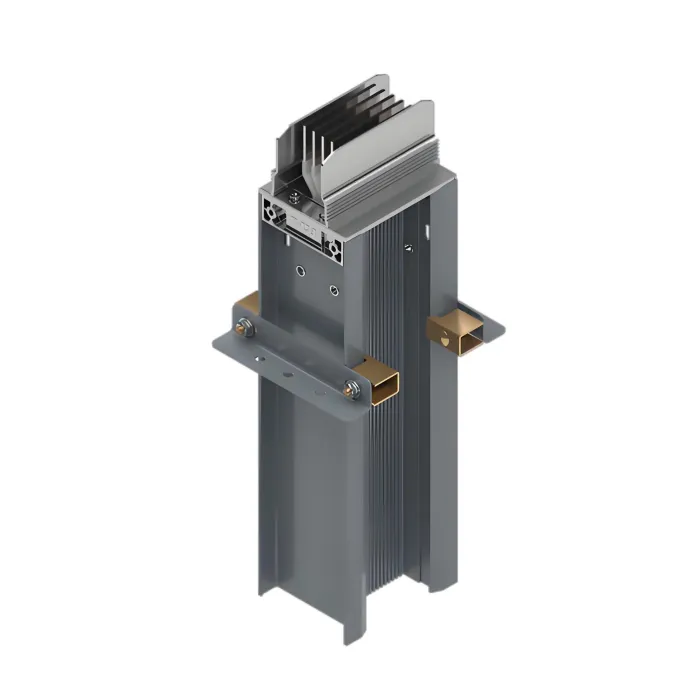
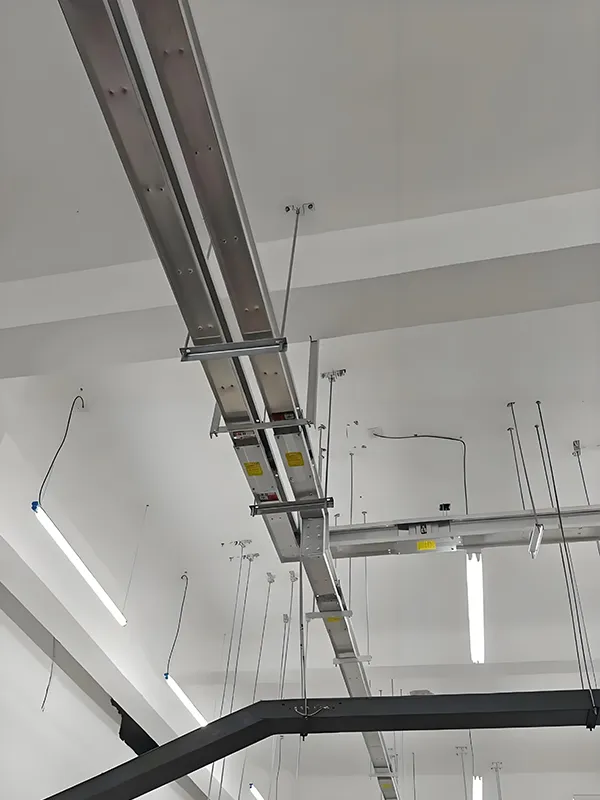
Supports horizontal or vertical suspension mounting, with an adjustable tolerance range of ±4mm.
Support/Hanger Spacing: ≤3m for straight sections; ≤1.5m for curved sections.
Connection Technology:
Single-Bolt Rapid Connection: Equipped with a torque control mechanism to ensure minimal contact resistance.
Intelligent Connectors: Support maintenance monitoring capabilities, thereby reducing the risk of operational failure.
Extension of Specialized Technologies
Fire-Resistant Busbar Trunking (NH Type)
Fire Resistance Rating: Selectable options of 1 hour, 1.5 hours, 2 hours, or 3 hours
Thermal Insulation Layer: Aluminum Silicate Fiber Felt (Temperature Resistance: 1250°C)
Exterior Coating: Intumescent Fire-Retardant Paint; rapidly increases thermal conductivity upon fire exposure to retard heat transfer
Waterproof Busbar Trunking (Resin-Cast Type)
Protection Rating: IP67–IP68
Insulation Material: Unsaturated polyester resin + inorganic fillers, integrally cast-molded
Application Scenarios: Rail transit, chemical plants, coastal facilities, and other corrosive or humid environments
Intelligent Busbar Trunking
Integrates temperature measurement, current monitoring, and leakage alarm modules.
Supports RS485 or wireless transmission for integration into Building Automation Systems.
1. What is a Low Voltage Sandwich Busway?
A Low Voltage Sandwich Busway is a compact busway power distribution system that uses closely stacked conductors with insulation between phases, providing high current capacity, low impedance, and efficient power transmission for modern buildings and industrial facilities.
2. What are the advantages of a sandwich busway compared with traditional cables?
Compared with traditional cables, a sandwich bus duct system offers better heat dissipation, higher current carrying capacity, easier installation, and flexible expansion, making it ideal for large power distribution projects.
3. Where is Low Voltage Sandwich Busway commonly used?
It is widely applied in data centers, commercial buildings, factories, airports, shopping malls, and high-rise buildings where reliable and efficient power distribution is required.
4. What current ratings are available for low voltage busway systems?
Most low voltage busway systems support current ratings ranging from 400A to 6300A, depending on the project requirements and system design.
5. Can the busway be customized for specific projects?
Yes. Professional busway manufacturers and suppliers such as Fenghua Electric can provide custom busway solutions based on current capacity, installation environment, protection level, and project layout.
6. Is sandwich busway safe for industrial power distribution?
Yes. High-quality low voltage bus duct systems feature strong insulation, high protection levels, and reliable short-circuit resistance, ensuring safe and stable operation.
7. How do I choose a reliable busway manufacturer or supplier?
You should evaluate the busway manufacturer’s production experience, certifications, project cases, customization capability, and technical support before purchasing.
8. How can I get a quotation for Low Voltage Sandwich Busway?
To get an accurate low voltage busway price, you usually need to provide details such as current rating, busway length, installation type, and project drawings to the supplier.
Address
No. 237 Kangting Street, Huangdao District, Qingdao City, Shandong Province, China
Tel
No. 237 Kangting Street, Huangdao District, Qingdao City, Shandong Province, China