
News

The Function of Air Insulated Busducts

2026-03-24 0 Leave me a message

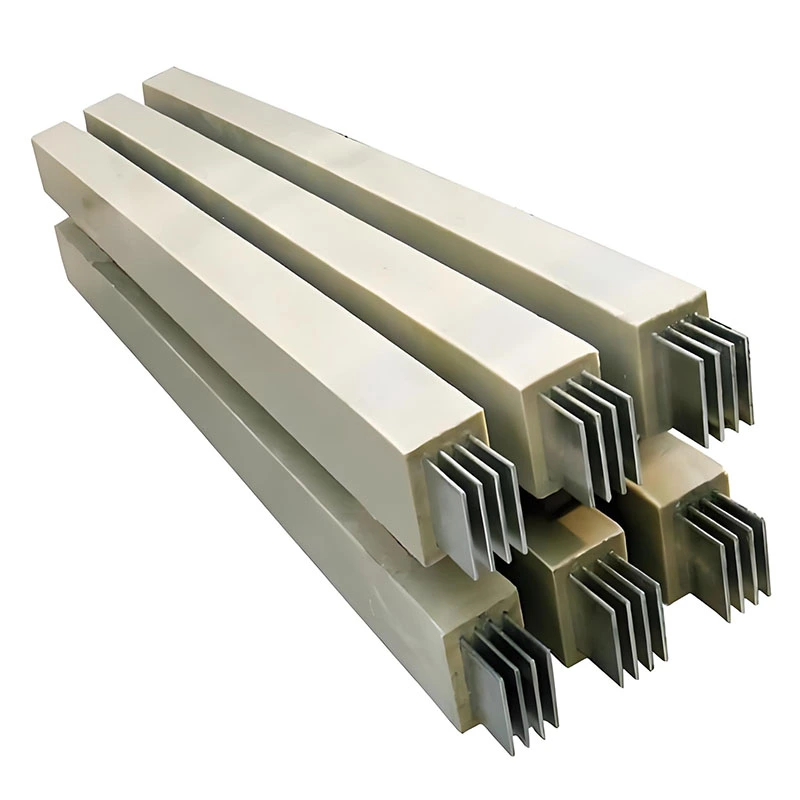
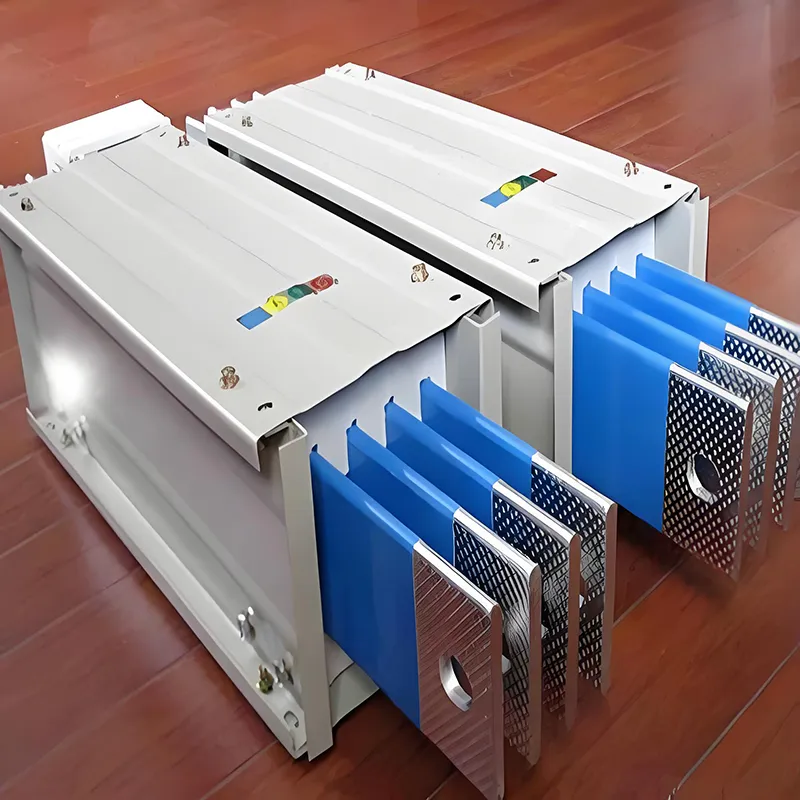
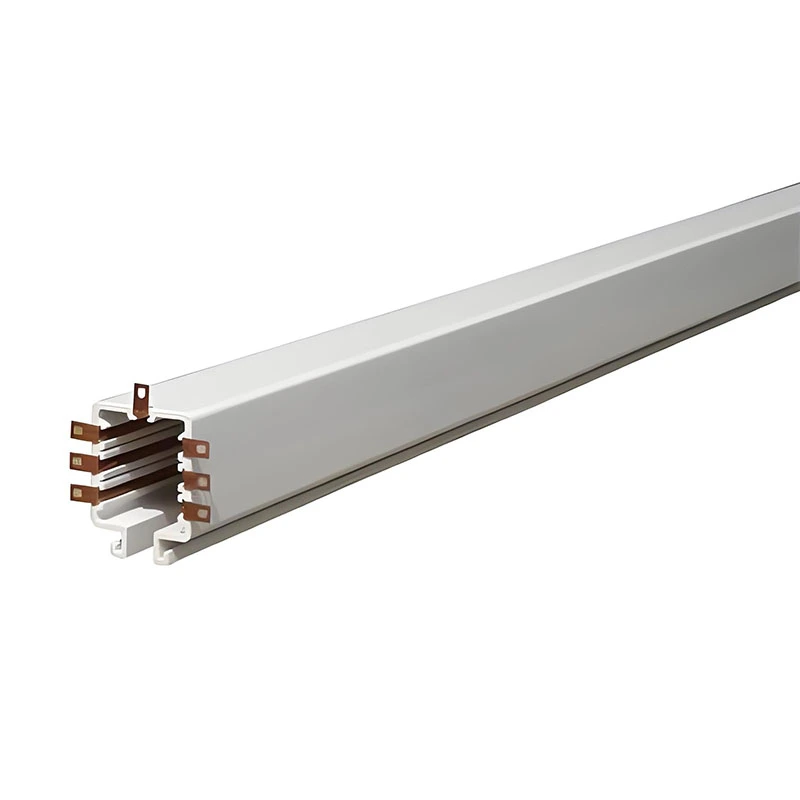
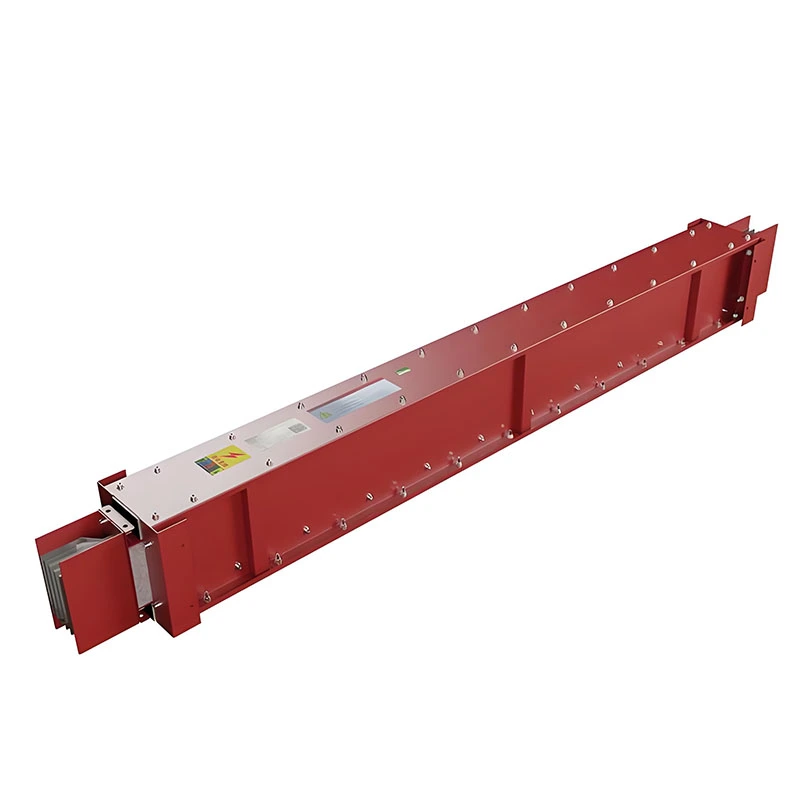
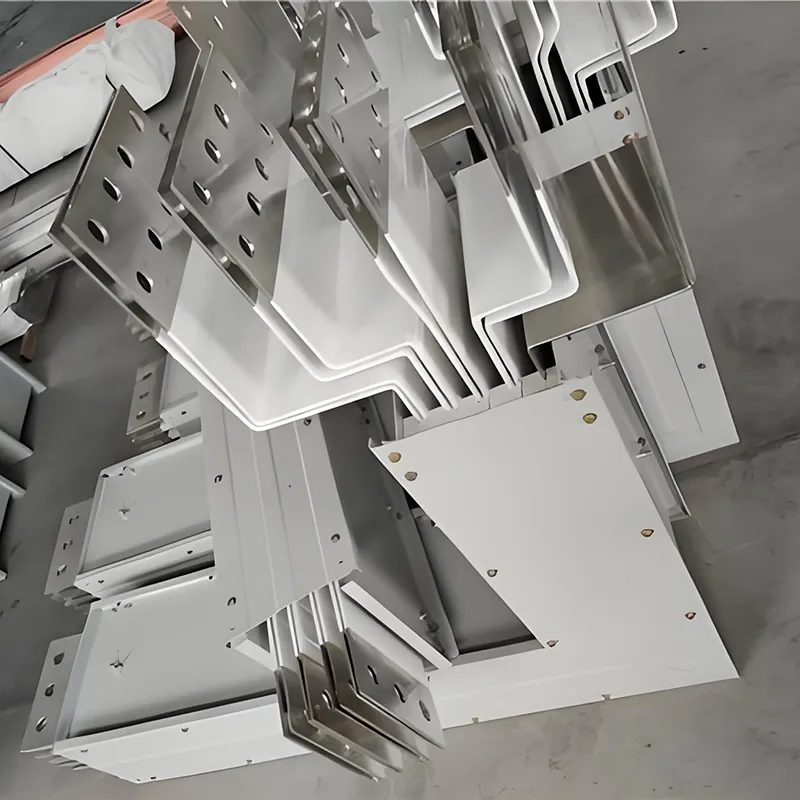
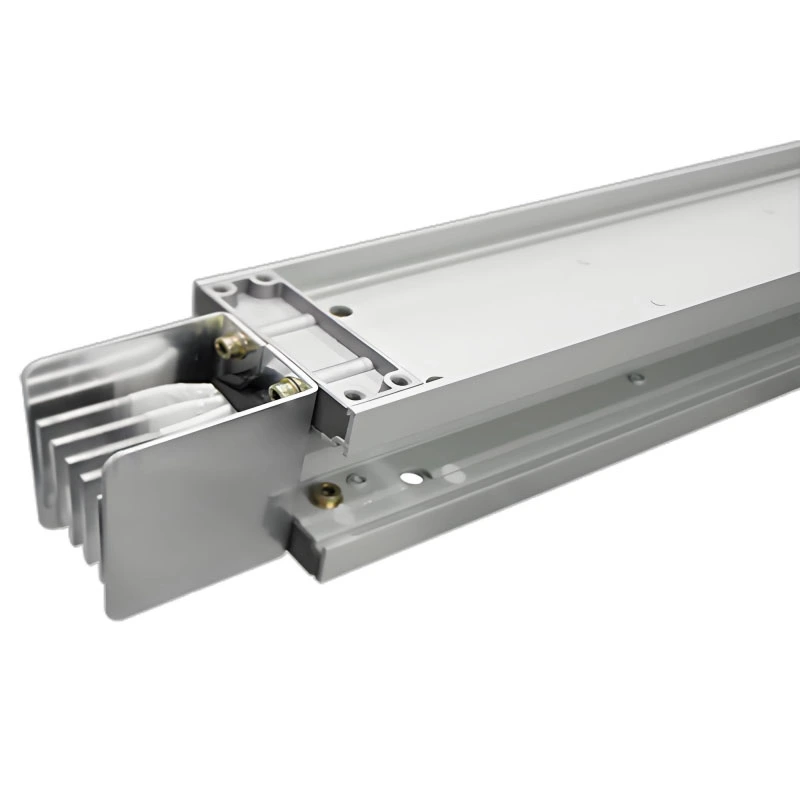
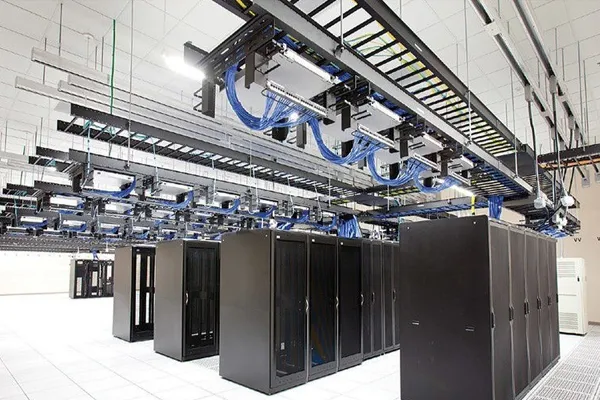
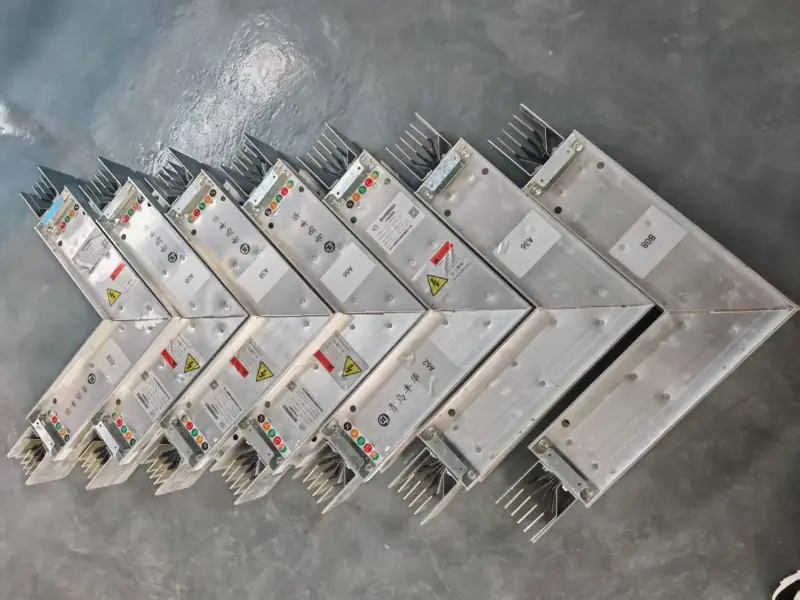
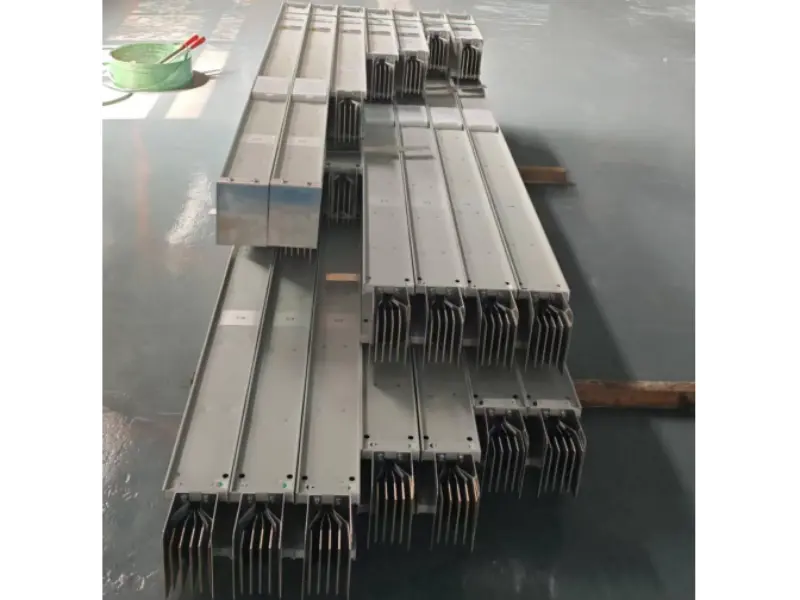
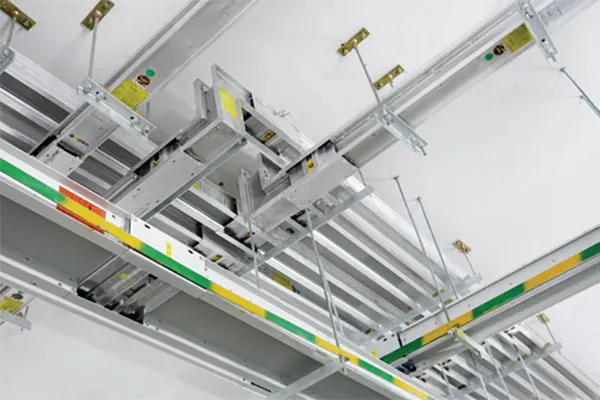
The primary function of air-insulated busduct systems is to safely, efficiently, and flexibly facilitate the centralized transmission of high currents. They serve as the backbone for low-voltage power distribution—handling both main feeder lines and branch tap-offs—while simultaneously offering advantages in heat dissipation, installation, and maintenance. These systems are ideally suited for dry, clean indoor environments within industrial facilities and commercial buildings.

Centralized High-Current Supply: Acting as the main trunk line for low-voltage distribution, these systems serve as a modern alternative to traditional cables. They enable the centralized, high-capacity transmission of electrical current—spanning the entire path from distribution cabinets or transformers to specific floors, workshops, and individual equipment—with rated currents typically ranging from 250A to 5000A. This capability effectively meets the substantial power demands of facilities such as factories, commercial complexes, and high-rise buildings.

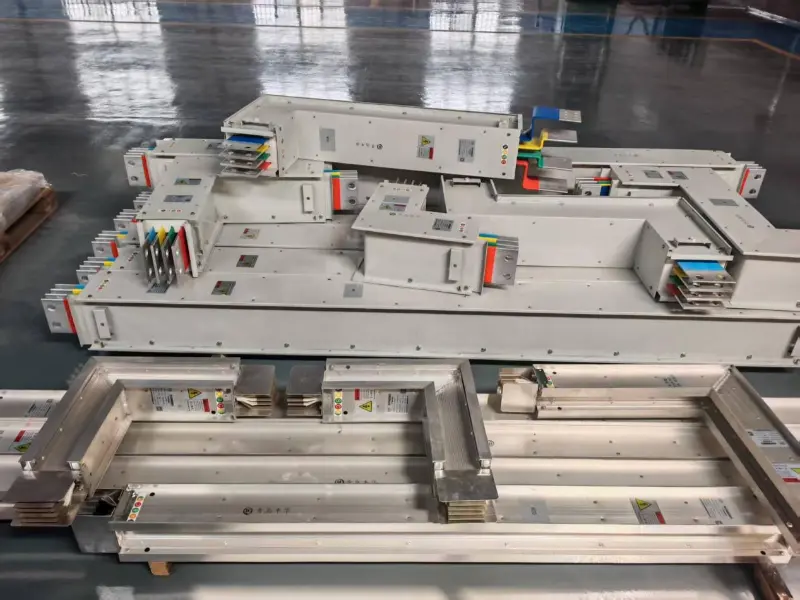
Flexible Tap-offs and Scalability: The system supports the placement of tap-off points at virtually any location along the busduct run, allowing for the rapid distribution of power via plug-in units. This flexibility accommodates the addition of future loads or adjustments to the power distribution layout. Furthermore, the modular design facilitates subsequent system expansion and retrofitting, thereby minimizing the costs associated with rewiring.

Safety Protection and Insulation: Utilizing air as the primary insulating medium, the system maintains safe air gaps between phases. This design—combined with insulating blocks and a grounded metal enclosure—establishes a dual-insulation and grounding protection scheme, significantly reducing the risks of short circuits and electrical leakage. With typical Ingress Protection (IP) ratings ranging from IP40 to IP54, the system offers effective dust and moisture resistance, making it well-suited for dry indoor environments.

Efficient Heat Dissipation and Low Loss: The system relies on natural air convection for heat dissipation, resulting in low temperature rise, high current-carrying capacity, and minimal voltage drop. Consequently, energy loss is lower than that of traditional cable systems. The corrugated metal enclosure enhances both mechanical strength and surface area for heat dissipation, thereby improving the system's dynamic and thermal stability.

Convenient Installation and Simple Maintenance: Featuring a modular, plug-and-play assembly design, the system allows for rapid installation and significantly shorter construction cycles. Its clear structural layout facilitates easy inspection and component replacement, making it an ideal solution for installation scenarios involving long spans or spaces with relatively ample clearance.


Related News
Leave me a message
X
We use cookies to offer you a better browsing experience, analyze site traffic and personalize content. By using this site, you agree to our use of cookies. Privacy Policy
Reject Accept