
QR Code

Products
Contact Us


E-mail

Address
No. 237 Kangting Street, Huangdao District, Qingdao City, Shandong Province, China



Modern industrial facilities, transportation hubs, commercial complexes, and infrastructure projects require electrical power systems that remain stable even when exposed to moisture, humidity, rain, condensation, and harsh environmental conditions. Traditional cable systems may face challenges such as insulation degradation, maintenance complexity, and limited scalability when operating in demanding environments.
A Waterproof Busway is designed to provide safe, efficient, and reliable power transmission while offering enhanced protection against water ingress and environmental contamination. By combining a compact structure, high current-carrying capacity, and sealed protective design, waterproof busway systems have become a preferred solution for modern power distribution projects.
This article explores how waterproof busway systems work, their advantages, application scenarios, selection criteria, and why companies such as Fenghua continue to develop advanced busway solutions for critical electrical infrastructure.
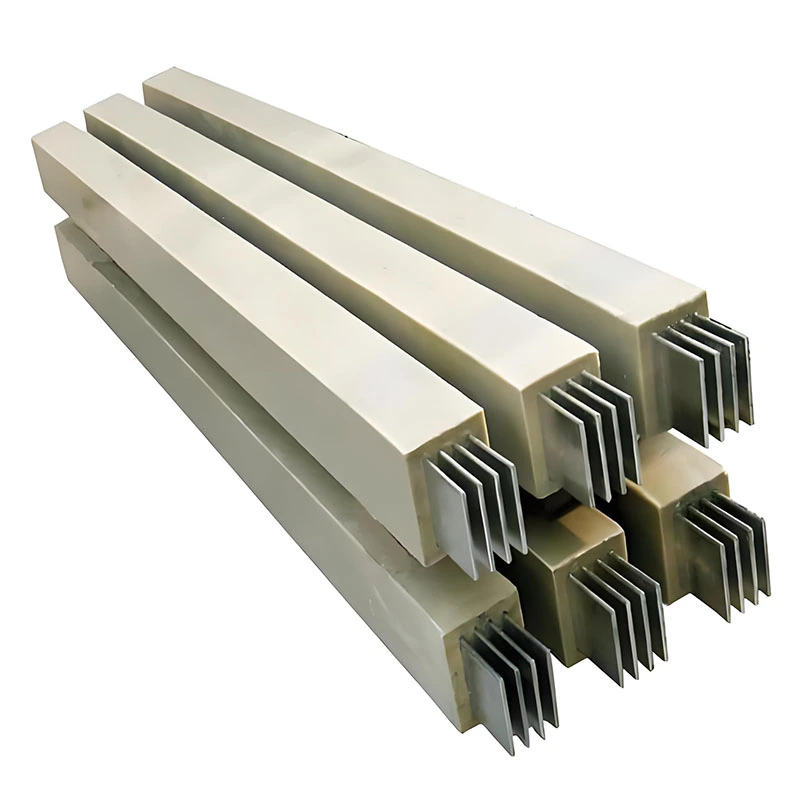
A Waterproof Busway is a specialized power distribution system engineered to operate reliably in wet, humid, and challenging environments. Compared with conventional cable installations, it offers superior protection, easier maintenance, improved energy efficiency, flexible expansion capabilities, and long-term operational reliability. Industries ranging from manufacturing plants to transportation facilities increasingly rely on waterproof busway systems to ensure uninterrupted power delivery.
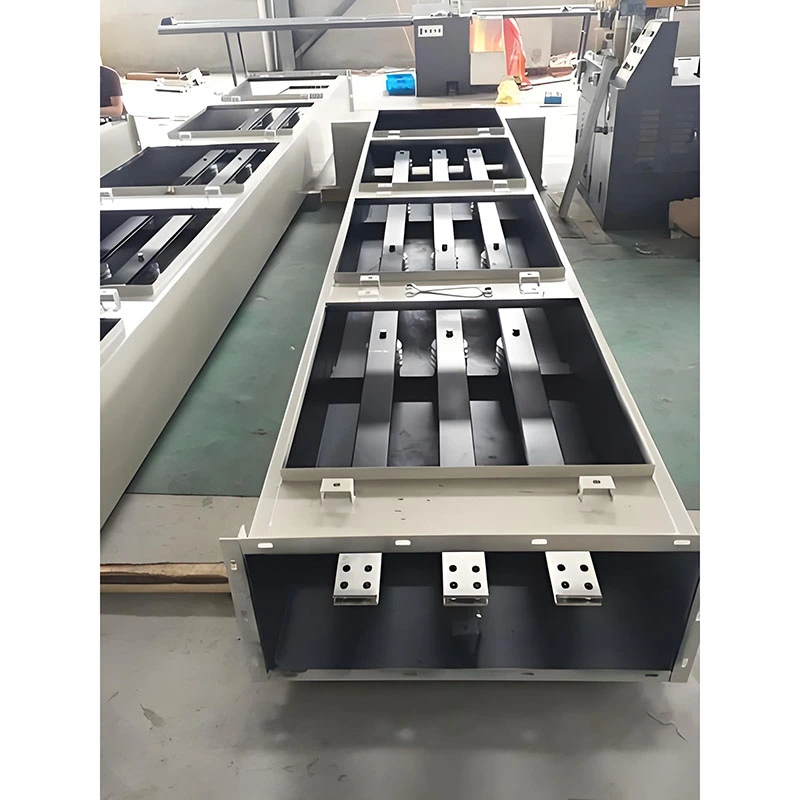
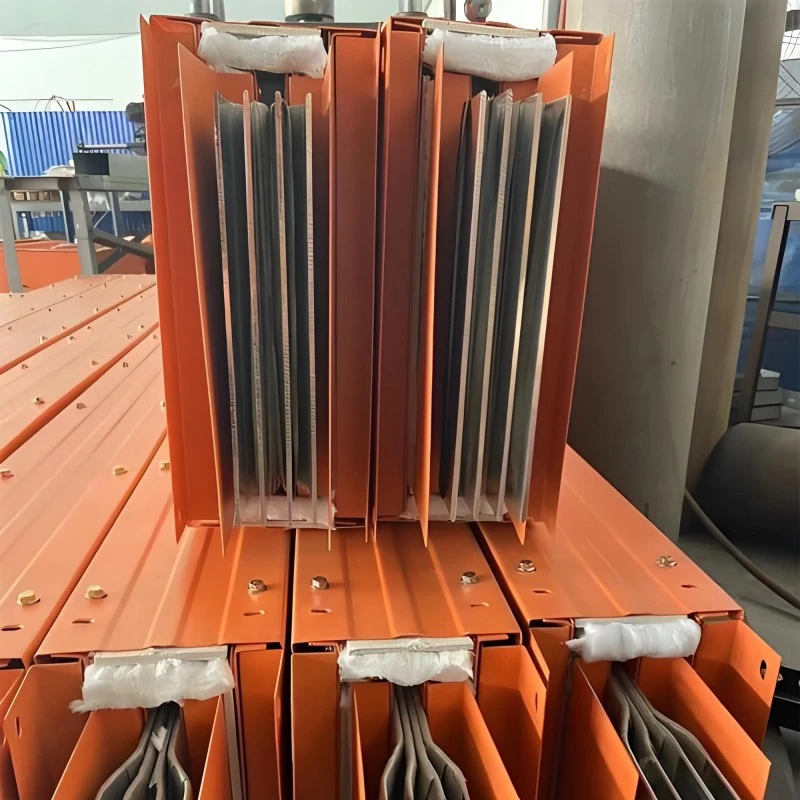
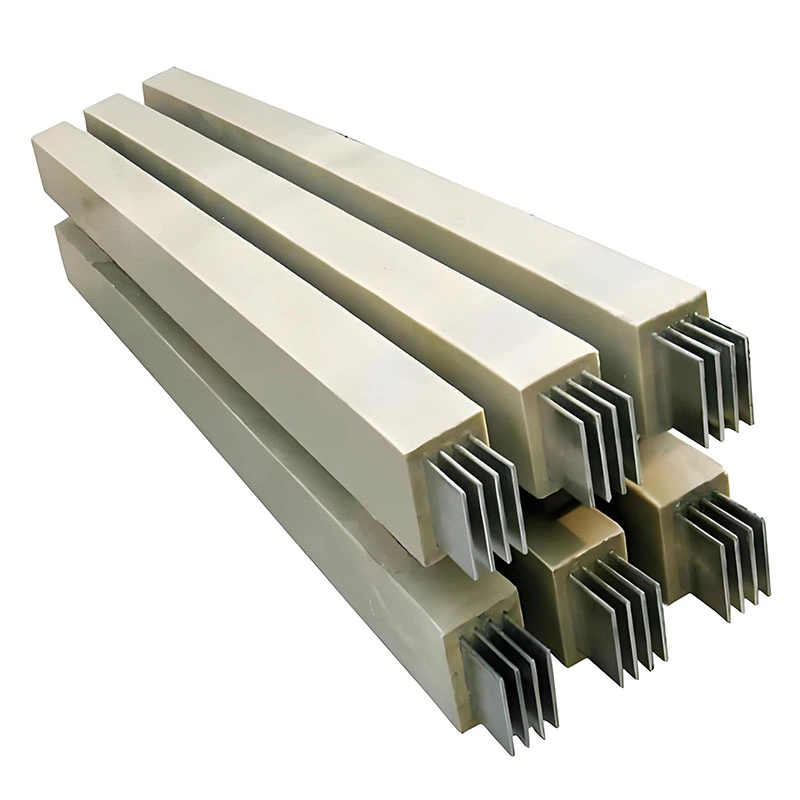
A Waterproof Busway is an enclosed electrical distribution system consisting of insulated conductors housed within a specially designed protective enclosure. Unlike traditional cable arrangements, the busway uses rigid conductors that are securely enclosed and protected from external environmental factors.
The waterproof design helps prevent water, moisture, dust, and other contaminants from entering the system. This protection is especially important in facilities where electrical equipment may be exposed to rain, wash-down procedures, high humidity, condensation, or outdoor conditions.
The system is typically designed with sealing technologies, corrosion-resistant materials, and specialized joints that maintain electrical safety while ensuring long-term performance.
Water is one of the most significant threats to electrical systems. Even small amounts of moisture can lead to serious operational issues, including:
Facilities operating in coastal areas, tunnels, underground structures, wastewater plants, industrial workshops, and outdoor installations are particularly vulnerable to these risks.
A properly engineered waterproof busway minimizes these concerns by creating a sealed power transmission pathway that protects critical electrical components from environmental exposure.
The operating principle of a waterproof busway is relatively straightforward. Electrical current flows through enclosed conductors while multiple layers of protection prevent external contaminants from reaching the energized components.
The system generally includes:
When installed correctly, these components create a continuous power distribution network capable of maintaining stable operation even in demanding environmental conditions.
| Benefit | Description |
|---|---|
| Water Resistance | Protects electrical conductors from moisture and water intrusion. |
| Enhanced Safety | Reduces risks associated with electrical leakage and short circuits. |
| Space Efficiency | Requires less installation space compared with large cable bundles. |
| High Reliability | Provides stable electrical performance in harsh environments. |
| Easy Expansion | Supports future system modifications and capacity upgrades. |
| Lower Maintenance | Reduces inspection and repair frequency. |
| Long Service Life | Designed for extended operation under challenging conditions. |
For facility operators, these advantages translate into reduced downtime, improved operational continuity, and lower lifecycle costs.
| Factor | Waterproof Busway | Traditional Cable System |
|---|---|---|
| Water Protection | Excellent | Moderate |
| Installation Speed | Fast | Time-consuming |
| Space Utilization | Efficient | Requires larger routing space |
| Expansion Flexibility | High | Limited |
| Maintenance Demand | Low | Higher |
| Visual Inspection | Simplified | More complex |
| Long-Term Reliability | Excellent | Variable |
As facilities become larger and more complex, many engineers favor waterproof busway systems because they provide a more organized and scalable approach to power distribution.
Waterproof busway systems are used across numerous industries where environmental protection and operational reliability are essential.
These applications often involve exposure to moisture, condensation, temperature fluctuations, or frequent cleaning processes, making waterproof protection particularly valuable.
When selecting a waterproof busway solution, decision-makers should evaluate several critical factors.
A well-designed waterproof busway should balance all of these characteristics to maximize performance and service life.
Although waterproof busway systems are designed for durability, proper installation remains critical.
Best practices include:
Compared with traditional cable systems, maintenance activities are generally simpler because the busway structure is organized, accessible, and easier to inspect.
Choosing the correct system requires a thorough assessment of project requirements.
Consider the following checklist:
| Selection Factor | Questions to Ask |
|---|---|
| Environment | Will the system face rain, humidity, or wash-down exposure? |
| Load Demand | What current capacity is required? |
| Installation Location | Indoor, outdoor, underground, or coastal? |
| Expansion Plans | Will future capacity increases be needed? |
| Safety Requirements | What standards must be satisfied? |
| Maintenance Resources | How often can inspections be performed? |
Working with experienced manufacturers such as Fenghua can help project owners identify the most suitable busway configuration based on actual operating conditions and future expansion plans.
As industrial automation, renewable energy projects, transportation infrastructure, and smart buildings continue to expand, busway technology is evolving rapidly.
Future developments are expected to focus on:
These innovations will further improve reliability while helping facility operators reduce operational risks and maintenance expenses.
Q1: What is the primary advantage of a waterproof busway?
The primary advantage is reliable power distribution in environments exposed to moisture, water, humidity, or contamination, helping protect electrical systems from damage and downtime.
Q2: Can waterproof busways be installed outdoors?
Yes. Many waterproof busway systems are specifically designed for outdoor applications and can withstand rain, environmental exposure, and varying weather conditions.
Q3: Are waterproof busways suitable for industrial facilities?
Absolutely. Manufacturing plants, processing facilities, and heavy industrial environments commonly use waterproof busways because of their durability and reliability.
Q4: Do waterproof busways require frequent maintenance?
Generally, maintenance requirements are lower than traditional cable systems, though routine inspections are still recommended.
Q5: Can a busway system be expanded after installation?
Yes. One of the major advantages of busway technology is its modular structure, which allows future expansion and system modifications.
A Waterproof Busway offers a dependable solution for modern power distribution systems operating in demanding environments. By providing superior moisture protection, enhanced safety, efficient power transmission, and long-term reliability, these systems help organizations reduce downtime and improve operational performance.
Whether the project involves industrial manufacturing, transportation infrastructure, commercial facilities, or outdoor installations, selecting a high-quality waterproof busway can significantly improve electrical system reliability while supporting future growth requirements.
Looking for a dependable waterproof power distribution solution? The engineering team at Fenghua can help you identify the ideal Waterproof Busway configuration for your project requirements. Contact us today to discuss your application, receive professional guidance, and discover how our advanced busway solutions can support safer and more efficient power distribution.
No. 237 Kangting Street, Huangdao District, Qingdao City, Shandong Province, China