News

How Does an Air Insulated Busway Enhance Electrical Distribution Efficiency?

2026-04-24 0 Leave me a message

Article Summary

The air insulated busway is a crucial component in modern electrical distribution systems, providing a reliable, flexible, and cost-effective solution for power transmission in industrial and commercial facilities. This article explores its working principles, advantages, installation considerations, and maintenance practices to help facility managers, engineers, and electricians make informed decisions when implementing air insulated busway systems.

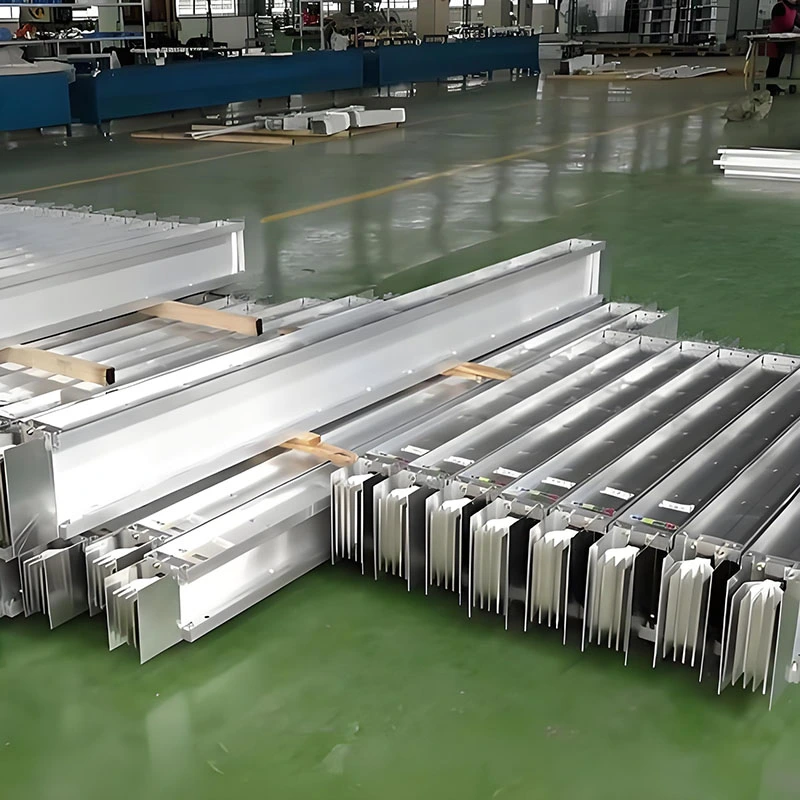
Long Distance Air Insulated Busway

Table of Contents


What is an Air Insulated Busway?

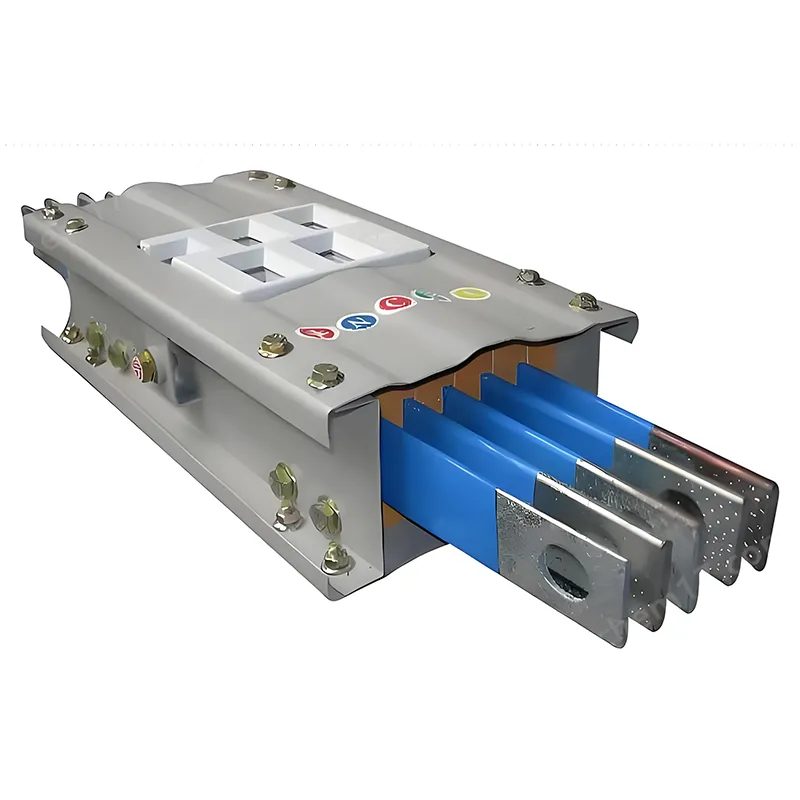
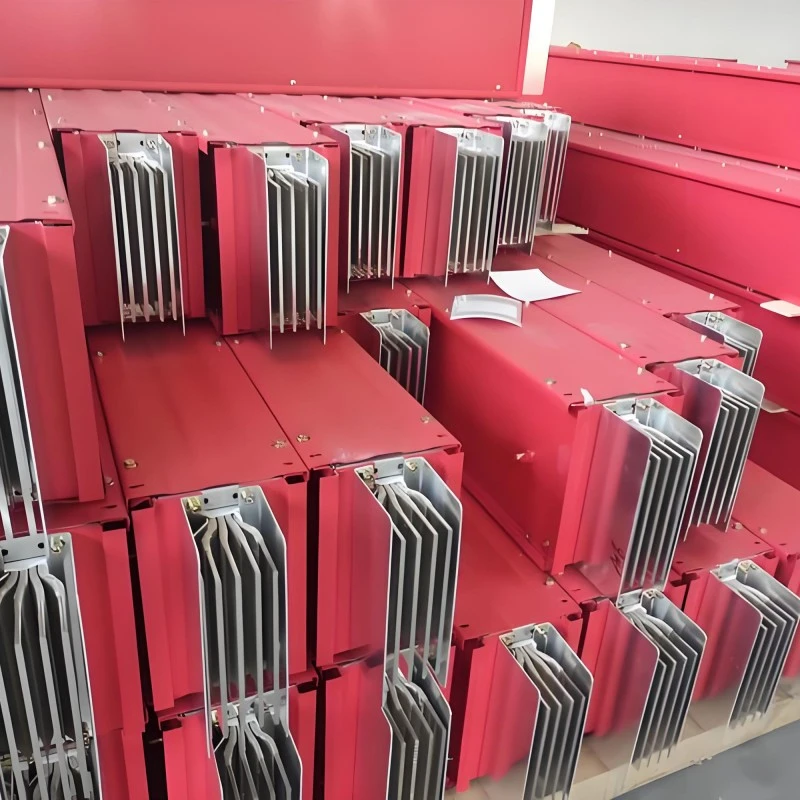
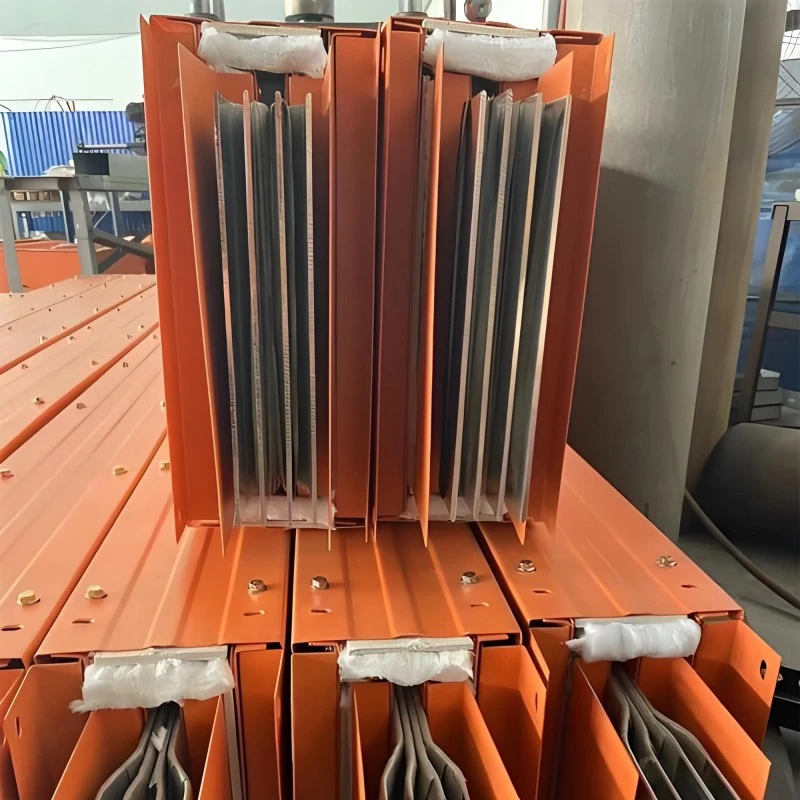
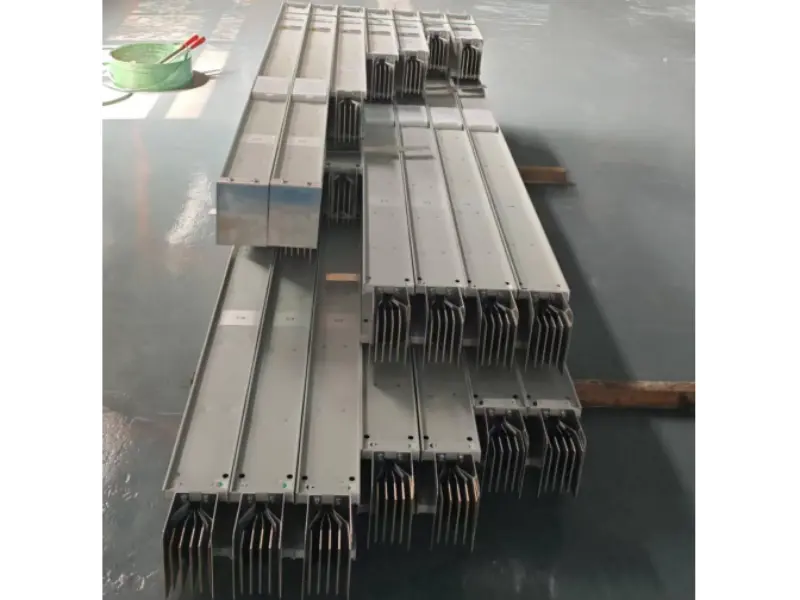
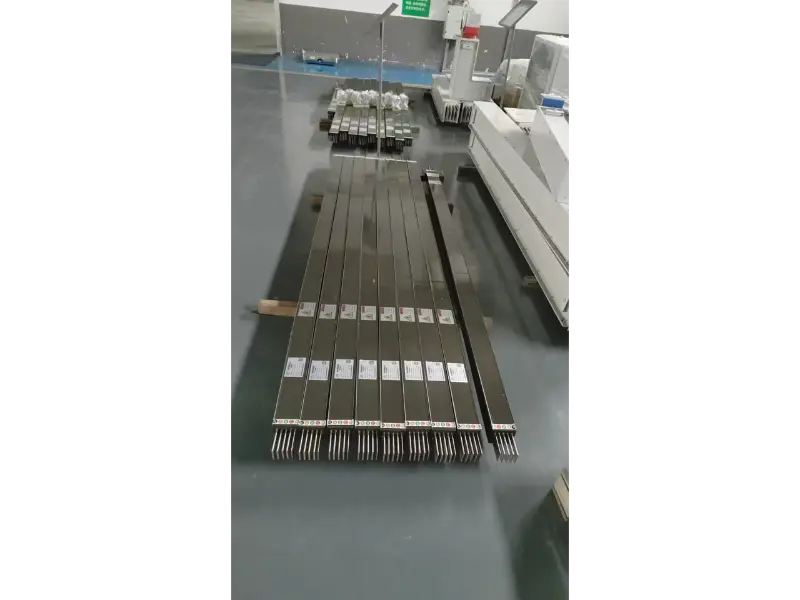
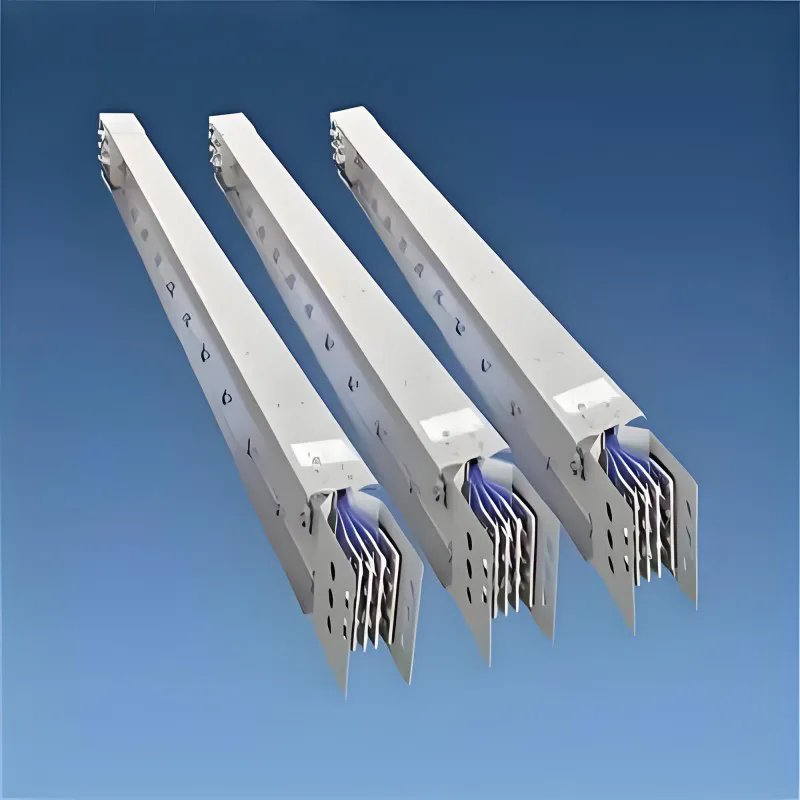
An air insulated busway (AIB) is an electrical distribution system designed to carry high-current electricity from a source to multiple load points using enclosed conductors with air as the primary insulation medium. Unlike cable systems or liquid-insulated bus ducts, the air insulated busway uses natural or forced air to prevent electrical faults and minimize energy losses.

These busways are widely adopted in factories, data centers, commercial buildings, and utility facilities for their adaptability and ease of expansion.


Advantages of Air Insulated Busways

  • Flexibility: Easy to extend or reconfigure without extensive downtime.
  • High Current Capacity: Supports large loads with minimal voltage drop.
  • Enhanced Safety: Enclosed design reduces accidental contact and short circuits.
  • Cost-Effective: Lower installation and maintenance costs compared to liquid-insulated systems.
  • Environmental Friendliness: Uses air for insulation, eliminating risks associated with oil leaks.
Feature Air Insulated Busway Cable System
Installation Flexibility High Moderate
Maintenance Low High
Fault Detection Easy Complex
Cost Moderate High

How an Air Insulated Busway Works

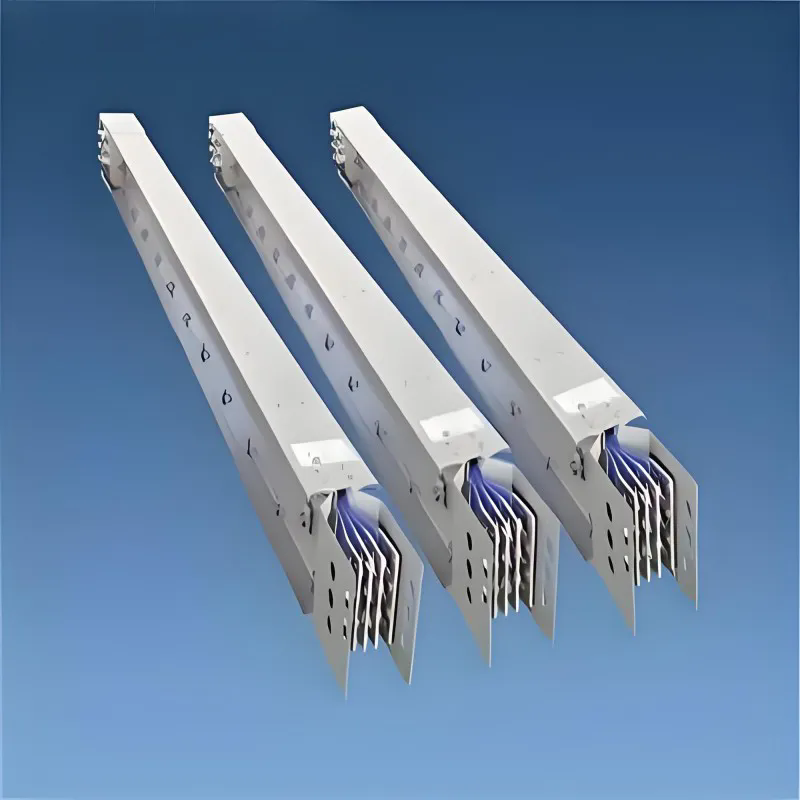
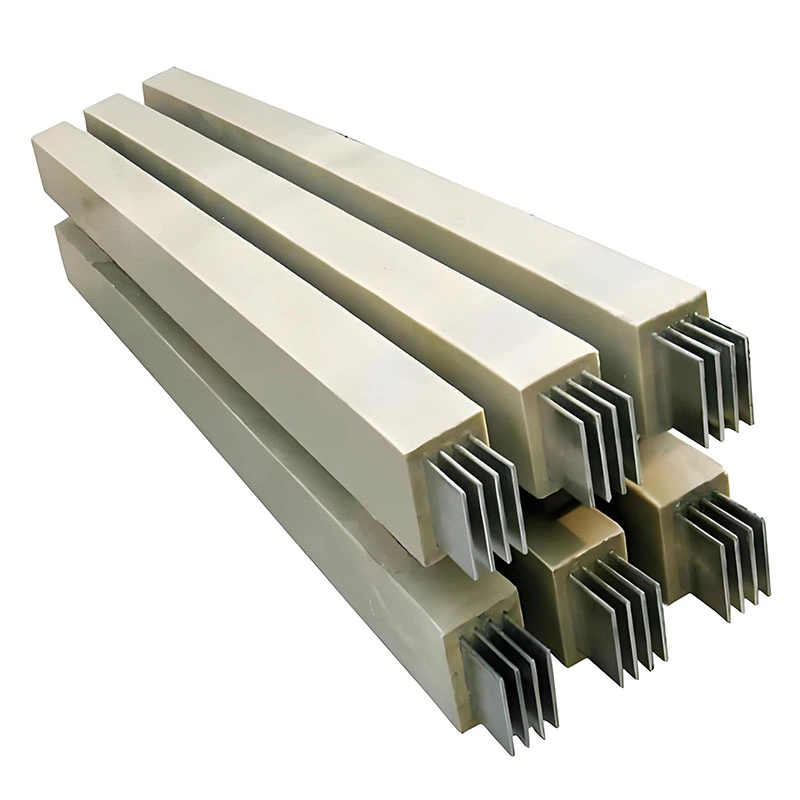
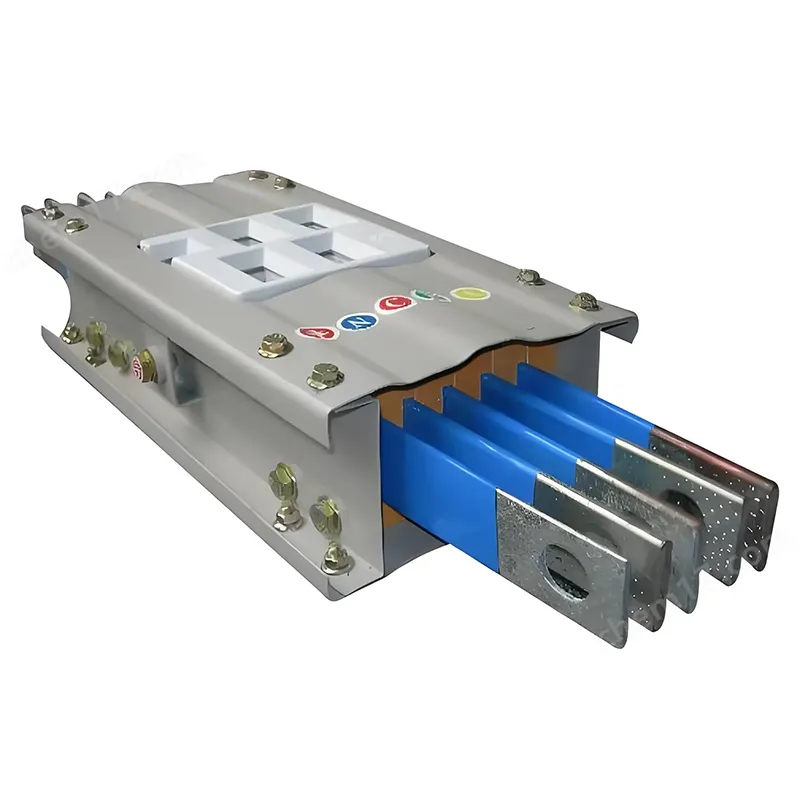
The air insulated busway consists of multiple conductive bars housed in an insulating enclosure. The air surrounding these bars acts as the dielectric medium. Key operational steps include:

  1. Power Infeed: Electrical energy is fed into the busway from a main switchgear or transformer.
  2. Distribution: Conductive bars transmit the current along the busway route with minimal loss.
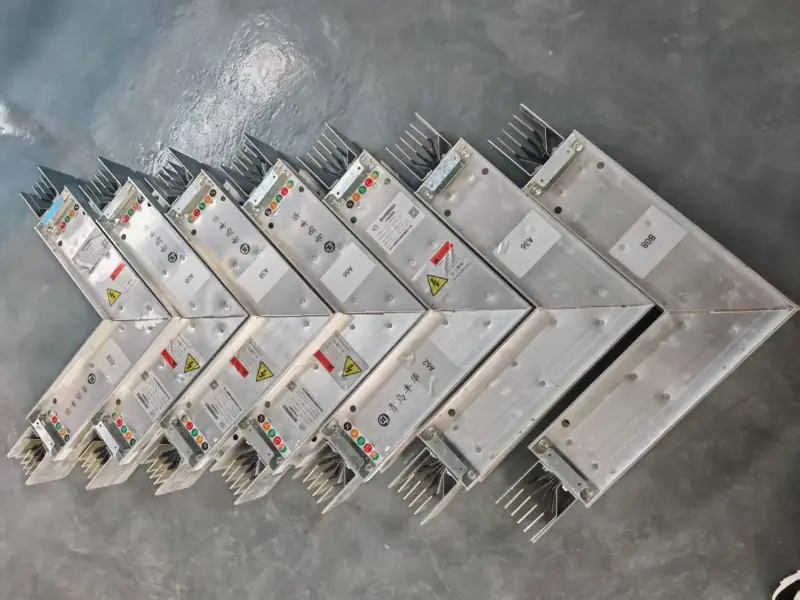
  3. Connection Points: Tap-off units allow safe distribution to downstream equipment.
  4. Insulation and Cooling: Air prevents electrical discharge between phases and dissipates heat.
  5. Monitoring: Modern systems include sensors for current, temperature, and fault detection.

Using air as the insulation medium significantly reduces the risk of fire hazards and simplifies installation, especially in high-rise or large facilities.


Installation Considerations

Proper installation ensures performance, reliability, and safety. Key considerations include:

  • Support Structures: Ensure the busway is mounted on stable frames capable of bearing weight and vibration.
  • Alignment: Precise alignment of bus segments prevents mechanical stress and electrical contact issues.
  • Clearances: Maintain sufficient spacing for airflow and safety, especially near sensitive equipment.
  • Grounding: Proper grounding reduces electrical hazards and protects equipment.
  • Environmental Conditions: Avoid exposure to excessive moisture, dust, or corrosive environments.

Maintenance and Safety Tips

Air insulated busways require periodic inspection and preventive maintenance to ensure long-term operation:

  • Visual inspection of tap-off units and joints for signs of overheating or corrosion.
  • Cleaning dust and debris from busway surfaces to maintain optimal insulation.
  • Checking torque on connections to prevent loose contacts.
  • Testing current-carrying capacity regularly to detect any abnormal load patterns.
  • Ensure all safety interlocks and protective devices are functional.

Following these practices can significantly reduce downtime and extend system life.

Frequently Asked Questions

Can air insulated busways handle high-voltage applications?
Yes, they are available in various voltage ratings suitable for industrial and commercial power distribution.
How do I choose the right busway size?
Select the busway based on maximum load current, future expansion needs, and environmental factors.
Are air insulated busways safe for indoor use?
Absolutely. Their enclosed design reduces accidental contact, short circuits, and fire risks.
What is the lifespan of an air insulated busway?
With proper maintenance, these busways can last 25–30 years or more.

Conclusion

Air insulated busways offer a flexible, safe, and efficient solution for modern electrical distribution needs. Fenghua high reliability, ease of installation, and lower maintenance make them a preferred choice in industrial and commercial environments. By following best practices in installation and maintenance, facility managers can maximize operational efficiency and reduce downtime risks.

For more information or to explore tailored solutions for your facility, contact Fenghua through our official product page: Air Insulated Busway Solutions.

Related News
Leave me a message
X
We use cookies to offer you a better browsing experience, analyze site traffic and personalize content. By using this site, you agree to our use of cookies. Privacy Policy
Reject Accept