
News

Materials for Waterproof Busducts

2026-03-24 0 Leave me a message

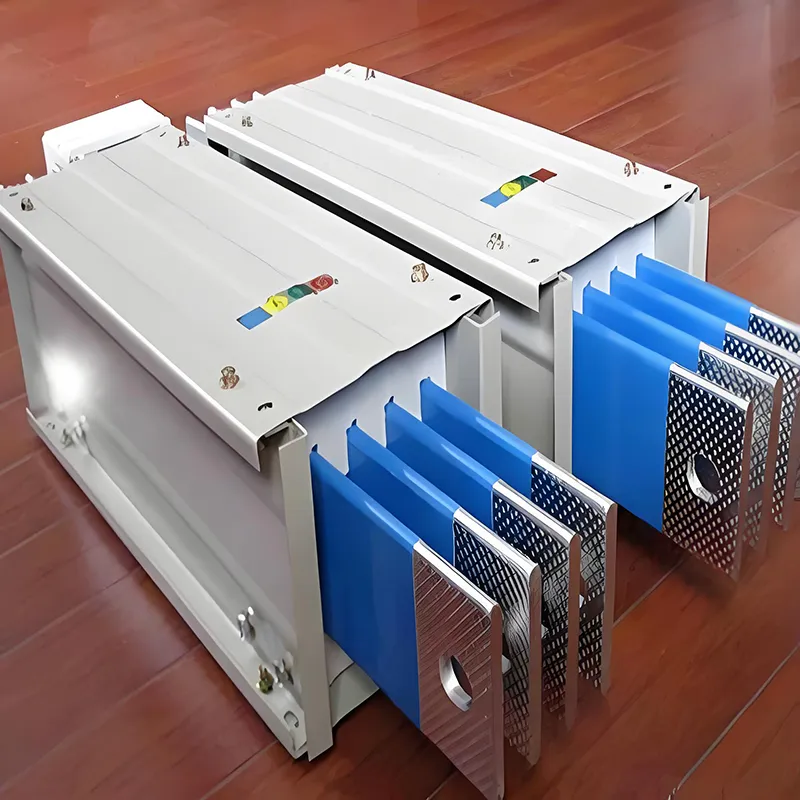
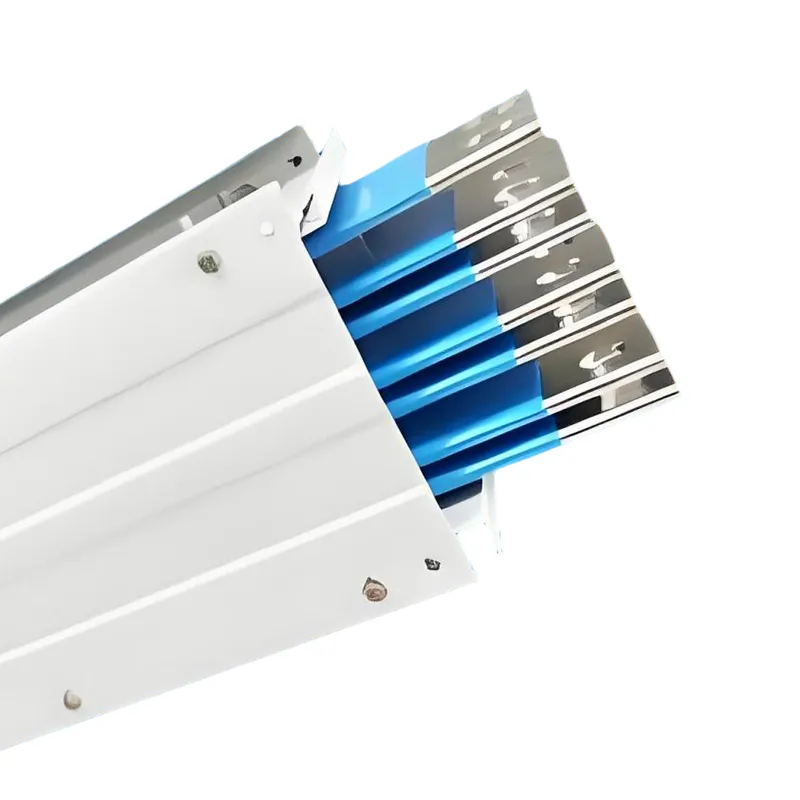
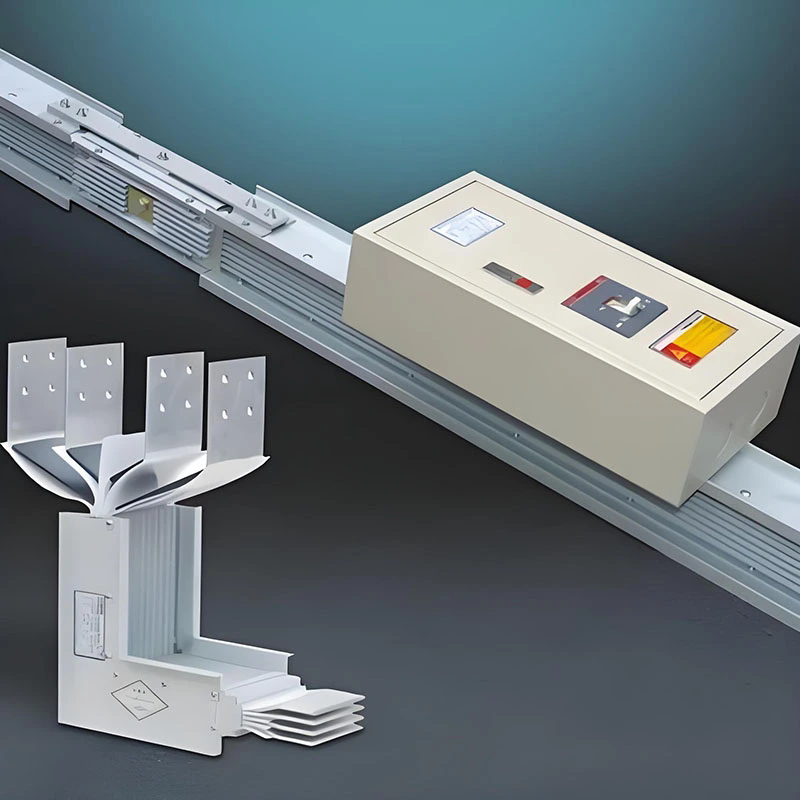
The selection of materials for waterproof busbar trunking systems centers primarily on protective performance, electrical properties, mechanical strength, and environmental resistance (specifically waterproofing, corrosion resistance, and aging resistance). Key components—such as the enclosure, conductors, insulating parts, and sealing elements—are constructed using specialized materials designed to meet the operational demands of challenging environments, including outdoor settings, humid conditions, and corrosive atmospheres.

The enclosure serves as the critical element for ensuring waterproofing, dustproofing, and mechanical protection; it must therefore possess excellent sealing capabilities, corrosion resistance, and structural integrity. Enclosure materials are broadly categorized into two main types: metallic and non-metallic.

(I) Metallic Materials (Predominant Application: High Strength, Superior Protection)

Aluminum Alloy Enclosures

Features: Lightweight, high structural strength, and excellent thermal conductivity (facilitating heat dissipation). Their corrosion and water resistance can be further enhanced through surface treatments such as anodizing or powder coating.

Applications: Outdoor installations, industrial environments subject to corrosion, and high-current electrical systems. Aluminum alloy is one of the most widely used materials for waterproof busbar enclosures.

Protection Rating: Capable of meeting IP54 protection standards and above; custom configurations can achieve ratings up to IP67.

Stainless Steel Enclosures

Material Classification: 304 Stainless Steel (General-purpose grade; resistant to acids, alkalis, and rust) and 316/316L Stainless Steel (High corrosion resistance; suitable for chemical processing plants and coastal environments with salt spray).

Features: High hardness, excellent impact resistance, and superior waterproofing and sealing capabilities. They present virtually no risk of rust or corrosion and offer a long service life.

Applications: Coastal regions, chemical processing workshops, exposed outdoor areas, and environments characterized by high salt spray or extreme corrosiveness.

Protection Rating: Easily achieves IP65 protection standards and above; select models can reach IP68 (suitable for short-term immersion).

Hot-Dip Galvanized Steel Enclosures

Features: Moderate cost and high mechanical strength. The galvanized coating provides effective protection against rust and corrosion.

Applications: General outdoor settings and humid indoor environments (e.g., basements, swimming pools).

Limitations: Corrosion resistance is inferior to that of stainless steel or aluminum alloy, making them unsuitable for highly corrosive environments. Protection ratings typically range from IP54 to IP66. (II) Non-metallic Materials (Specialized Applications: Insulation + Corrosion Resistance)

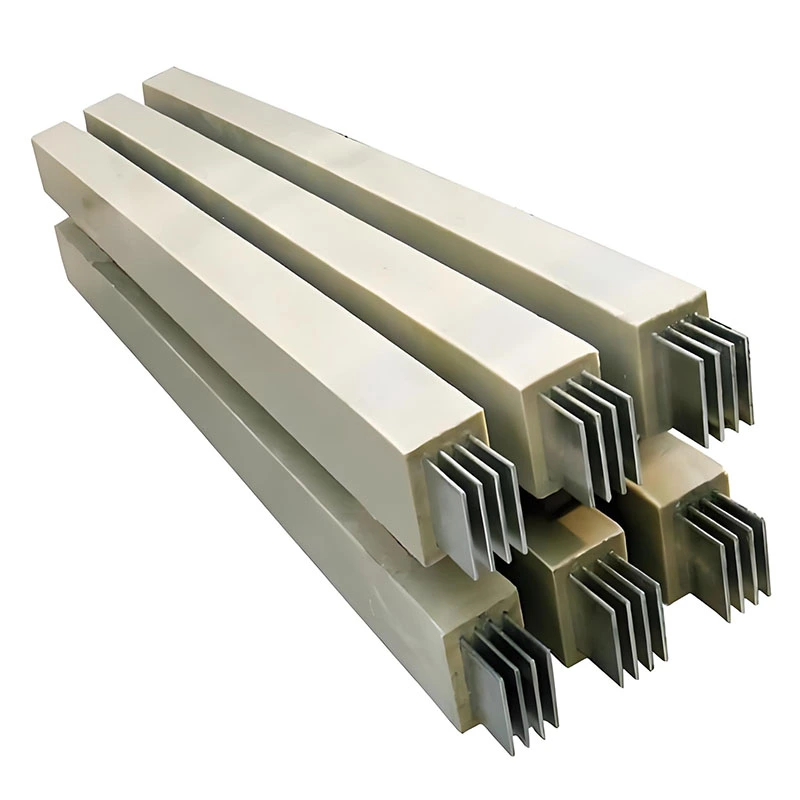
Fiberglass (FRP/SMC Composites)

Features: Excellent insulation properties, water- and moisture-proof, corrosion-resistant, lightweight, and free from the risk of metal corrosion;

Applications: Highly corrosive environments, explosion-hazardous zones, and settings requiring high levels of electrical insulation;

Limitations: Lower mechanical strength compared to metallic materials; less frequently used in high-current applications. Protection rating can reach IP65 or higher.

Engineering Plastics (ABS/PC/PVC)

Features: Insulating, waterproof, low-cost, and easy to process;

Applications: Small-scale waterproof busbar trunking systems, and indoor humid environments (e.g., restrooms, laboratories);

Limitations: Moderate resistance to high temperatures and aging; unsuitable for high-current or high-temperature environments.


Related News
Leave me a message
X
We use cookies to offer you a better browsing experience, analyze site traffic and personalize content. By using this site, you agree to our use of cookies. Privacy Policy
Reject Accept